
London Corporate Event Photography: A Production Guide to Awards at Madame Tussauds
Hosting a major corporate awards evening requires balancing production spectacle with a seamless guest experience. Iconic immersive spaces—such as Madame Tussauds in Marylebone—offer an unforgettable backdrop for delegates, but they present unique visual and logistical challenges.
While this guide focuses on Madame Tussauds, the stage protocols, lighting physics, and PR workflows detailed below apply to complex, high-contrast event venues across London, the UK, and worldwide.
📌 Assignment at a Glance:
Venue: Madame Tussauds London (Marylebone Road)
Best For: Corporate Awards Ceremonies, Galas & High-Profile Press Calls
Key Highlights: Red Carpet Arrivals, World Stage Ballroom, VIP Wax Figure Activations
Turnaround: Next-day 12:00 PM PR Press Selects + 48-Hour Full Color-Graded Gallery
Compliance: £10M Public Liability Insurance, GDPR Compliant, Unrestricted Commercial License
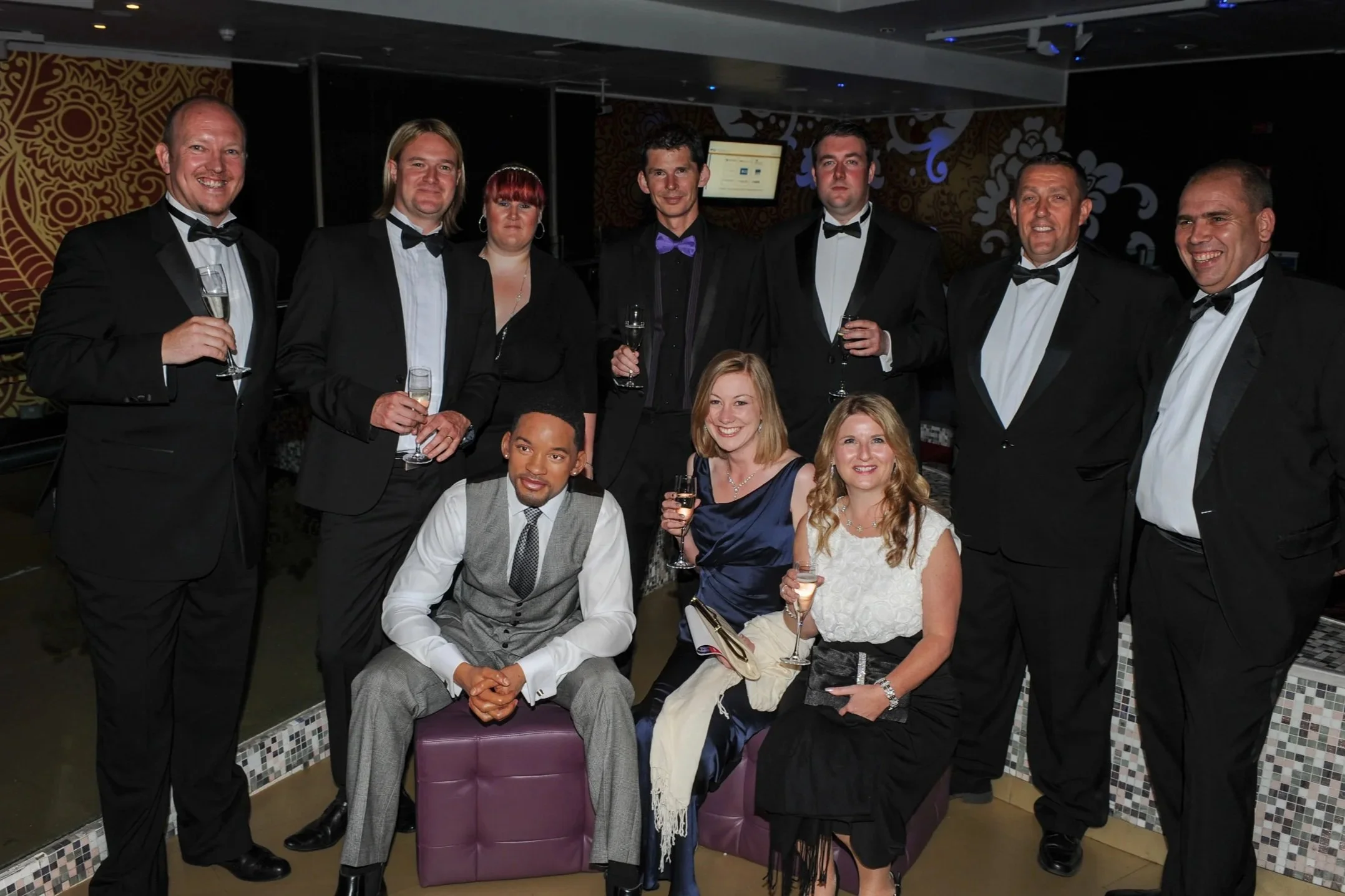
Corporate event photography capturing guests enjoying a gala awards dinner in the World Stage Ballroom at Madame Tussauds, London.
1. Transform Red Carpet Arrivals into an A-List Paparazzi Experience
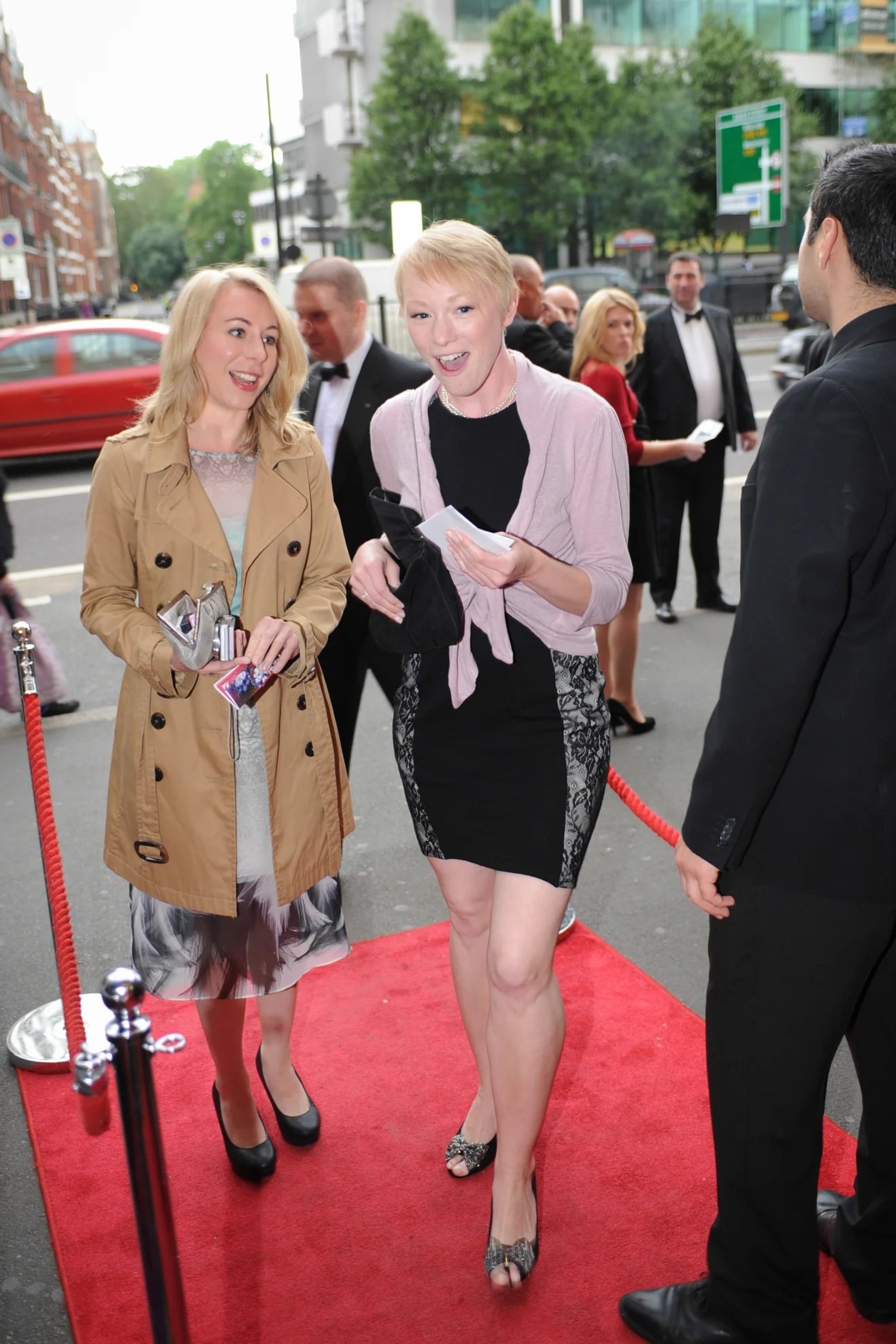
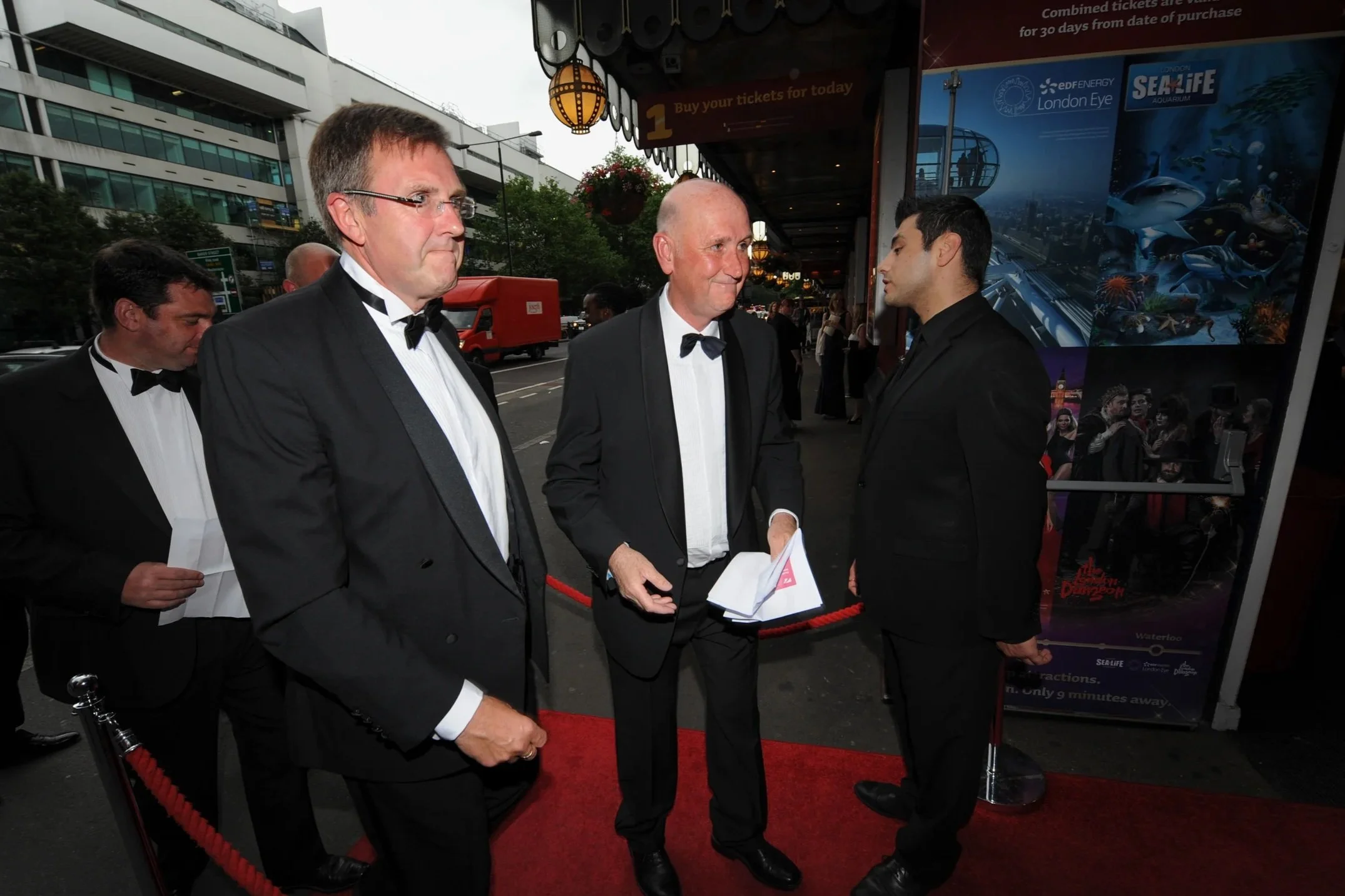
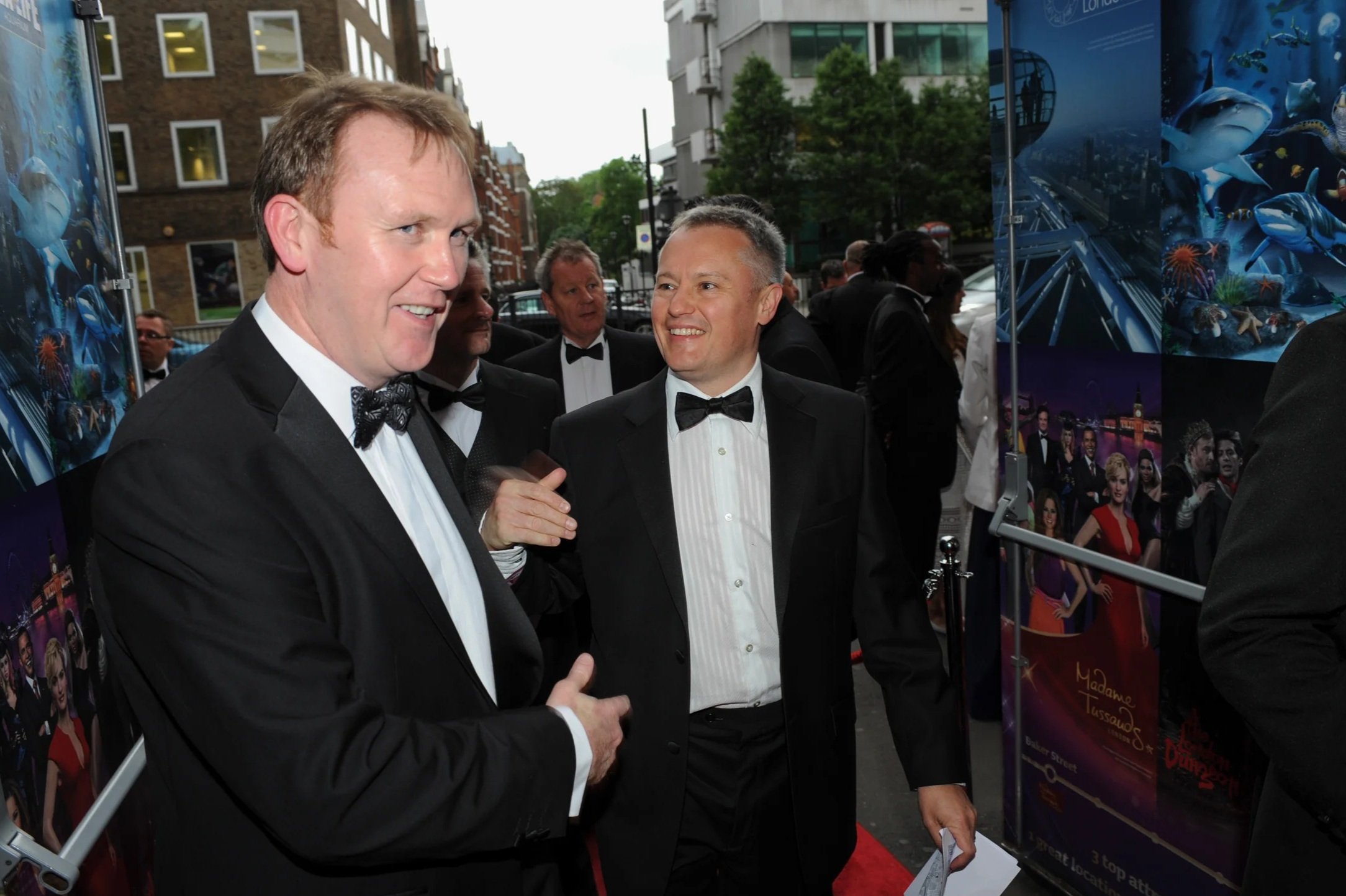
The red-carpet entrance at Madame Tussauds is the first moment your guests encounter as they arrive off Marylebone Road. Rather than fighting the abrupt lighting shift from outdoor daylight to indoor spot fixtures, we lean straight into the venue's glamour:
The 'Paparazzi' Arrival Line: We recommend stationing an editorial photographer right at the threshold using high-speed, on-camera press flash. Drawing directly on our news and press pedigree, this fast, dynamic style gives arriving executives and sponsors an instant 'A-list' superstar welcome before they even reach the cloakroom.
Adaptable Roving Lighting: As guests transition into the reception zones, our roving photographers adapt on the fly—utilising a tailored mix of bounced flash and handheld off-camera speedgun lighting. This keeps movement fluid while preserving the rich, atmospheric background lighting of the exhibits.
The VIP Pop-Up Mobile Studio: For premier galas, we deploy a dedicated mobile studio set right alongside iconic wax displays. With full directional studio lighting, guests receive a magazine-quality portrait that beats any smartphone snap and serves as a high-value keepsake from your brand.
Short on Time? Listen to the Audio Overview
"Mastering complex venue lighting and real-time PR delivery for major corporate galas"
Busy day in the office? Pop your headphones in and listen to this quick audio breakdown. Discover how our London Bureau team navigates high-contrast lighting, zero-interruption stage protocols, and rapid PR image delivery for major corporate galas.
(Note: The full text transcript can be found at the very bottom of this post ↓)
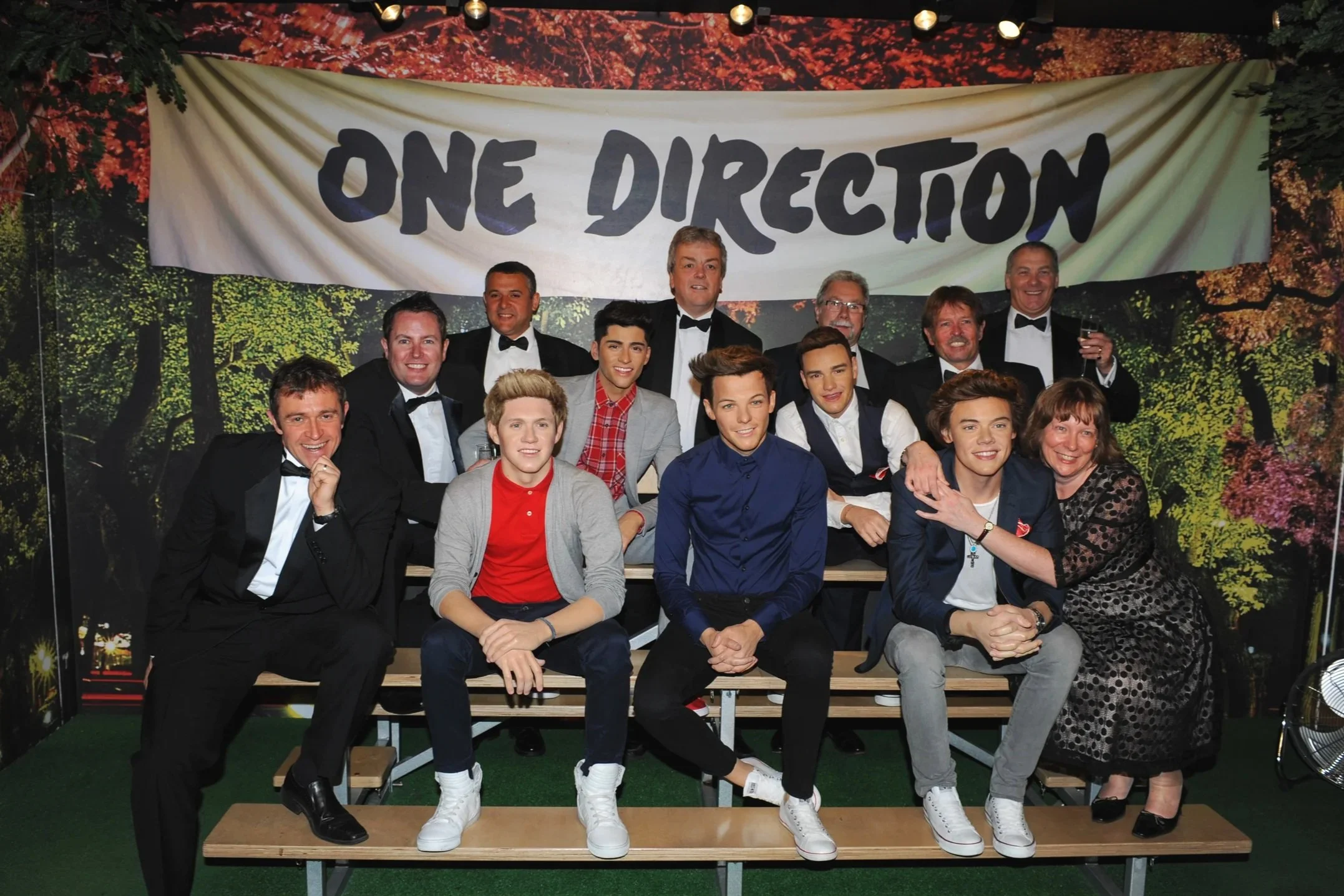
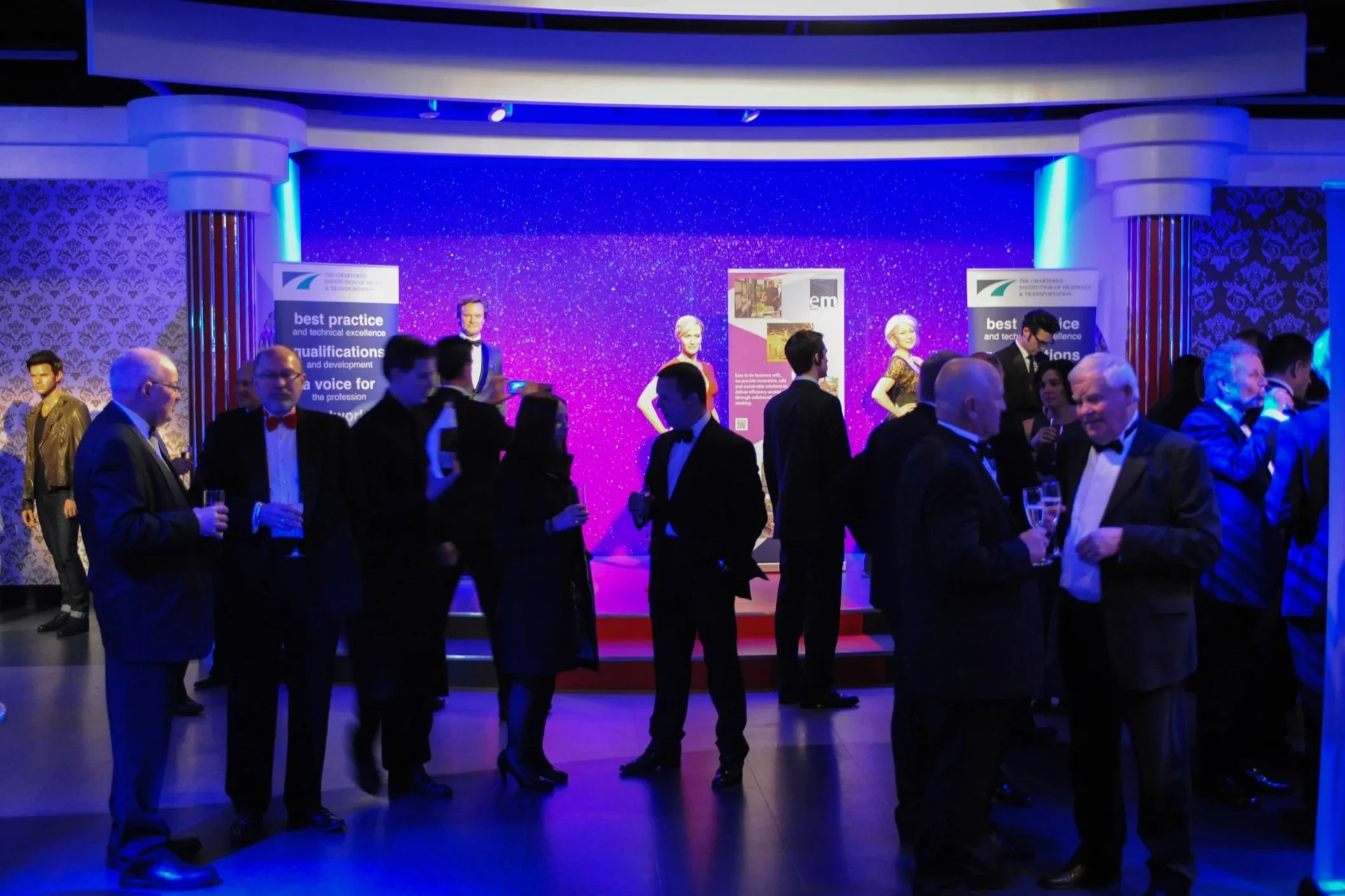
Interactive drinks reception photography capturing corporate guests enjoying the VIP wax figure activations at Madame Tussauds, London.
2. Navigating Dynamic Lighting & Wax Figure Reflections
Roving photography at Madame Tussauds is fast-paced and unpredictable. Guests love requesting spontaneous photos with their favourite figures, but combining live human skin tones with reflective, lacquered wax surfaces under variable spot lighting requires real-time adaptiveness:
The Early-Arrival Walkthrough: Long before your first guest arrives, our team completes a pre-event walkthrough alongside your event organiser. We fire test shots across all key reception zones, mapping out the precise ambient-to-flash ratios for every room.
Micro-Adjustments on the Fly: When guests ask for spontaneous shots with wax figures, there is no 'one-size-fits-all' camera setting. Depending on the room's specular glare, our photographers make split-second adjustments—repositioning the guest at an angle, bouncing flash off surrounding architecture, using handheld off-axis fill, or harvesting pure ambient light.
The Professional vs. Novice Divide: An inexperienced photographer relying on automated camera modes will inevitably produce blown-out wax highlights, harsh glass glare, and unflattering eye shadows. Our team relies on decades of hands-on experience and pro-spec glass to evaluate lighting variables instantly, guaranteeing crisp, natural, highlight-safe imagery in every single shot.
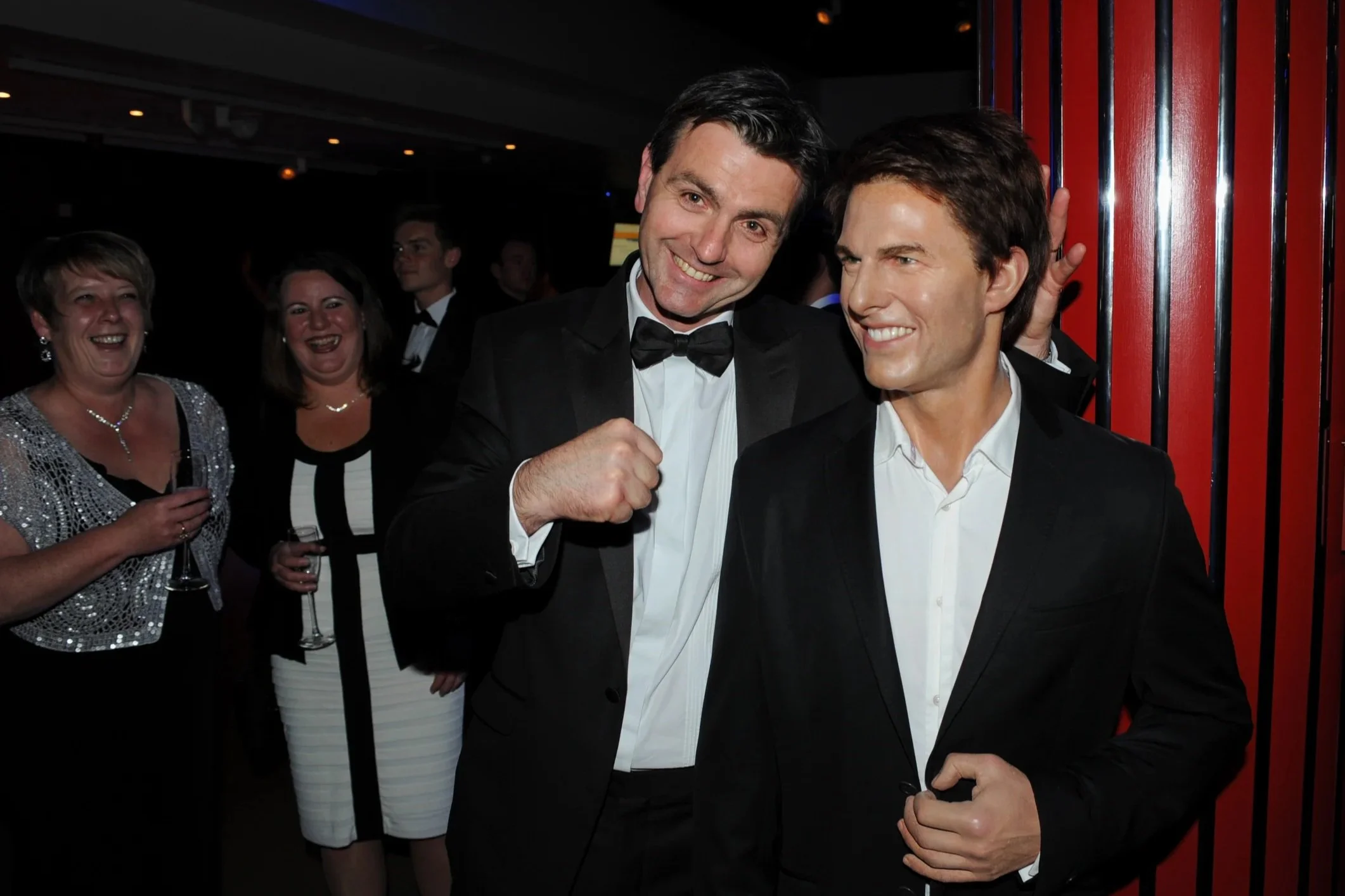
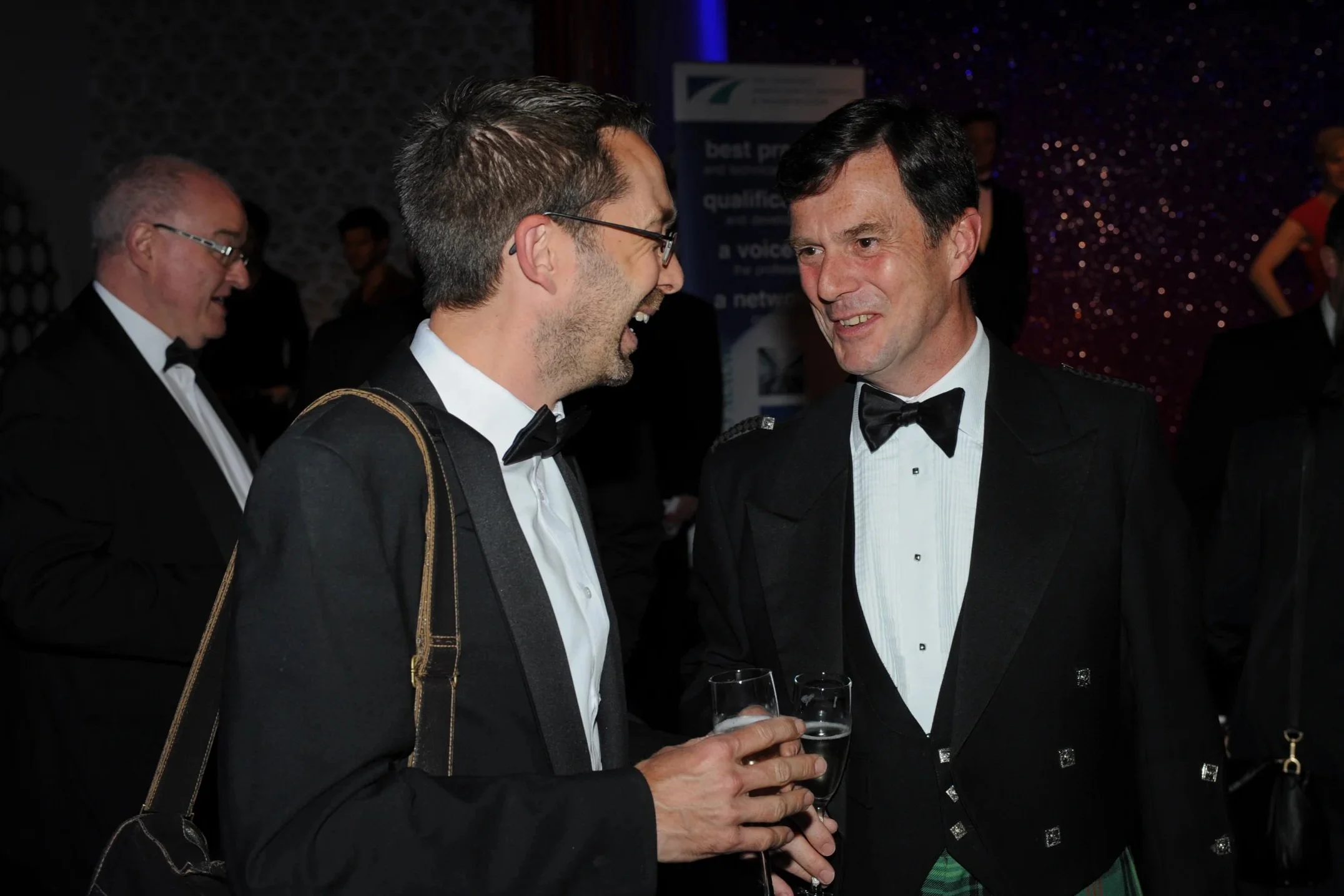
Candid event photography capturing authentic guest engagement and reactions during a corporate drinks reception at Madame Tussauds London.
3. Stage Mechanics: The 'Zero-Interruption' & 'VIP Hold' Protocols
During the main presentation in the World Stage Ballroom, chaos happens quickly. There is zero room for error, no second chances, and no time to fiddle with camera menus. To accommodate your specific event flow, we offer two distinct stage execution protocols:
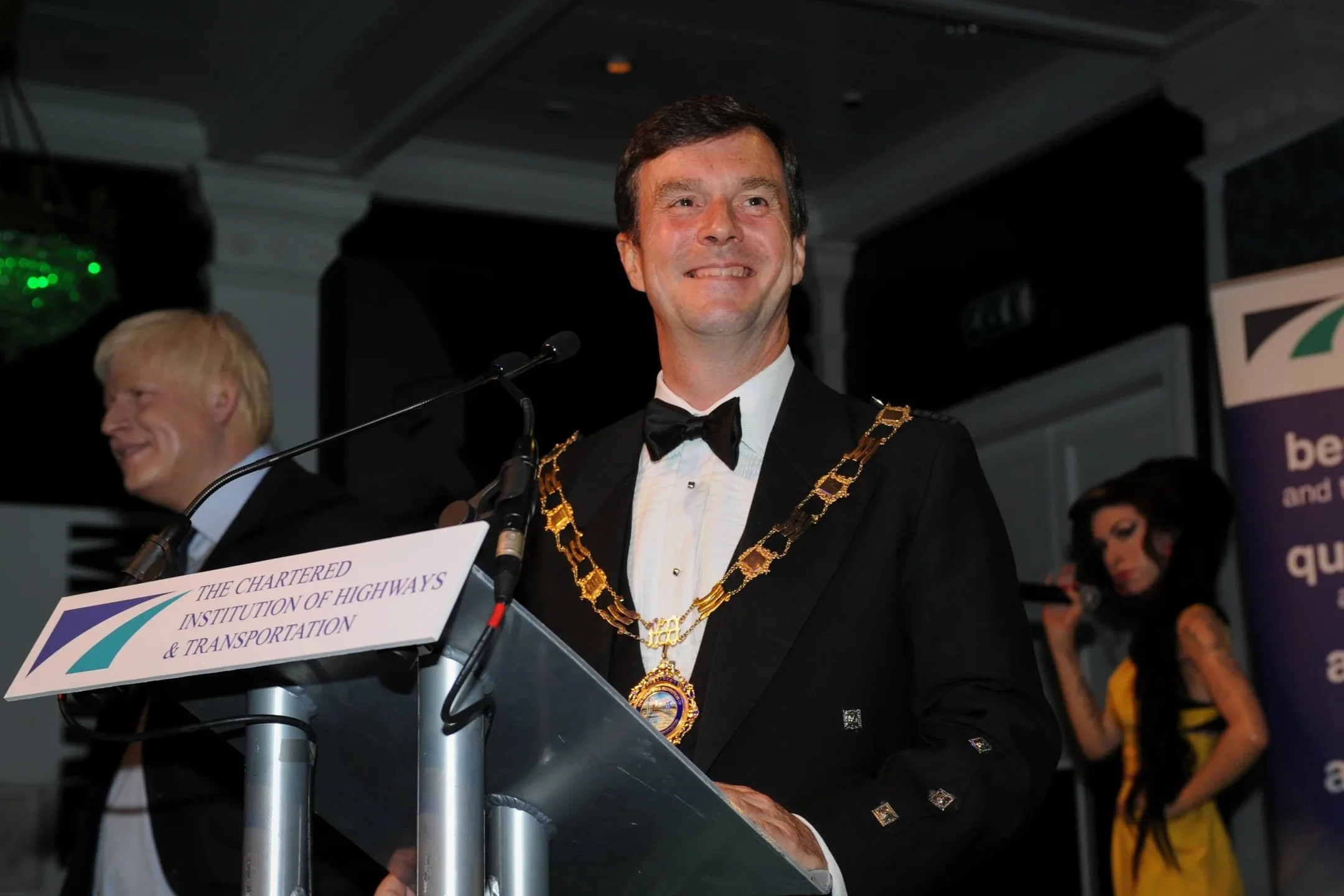
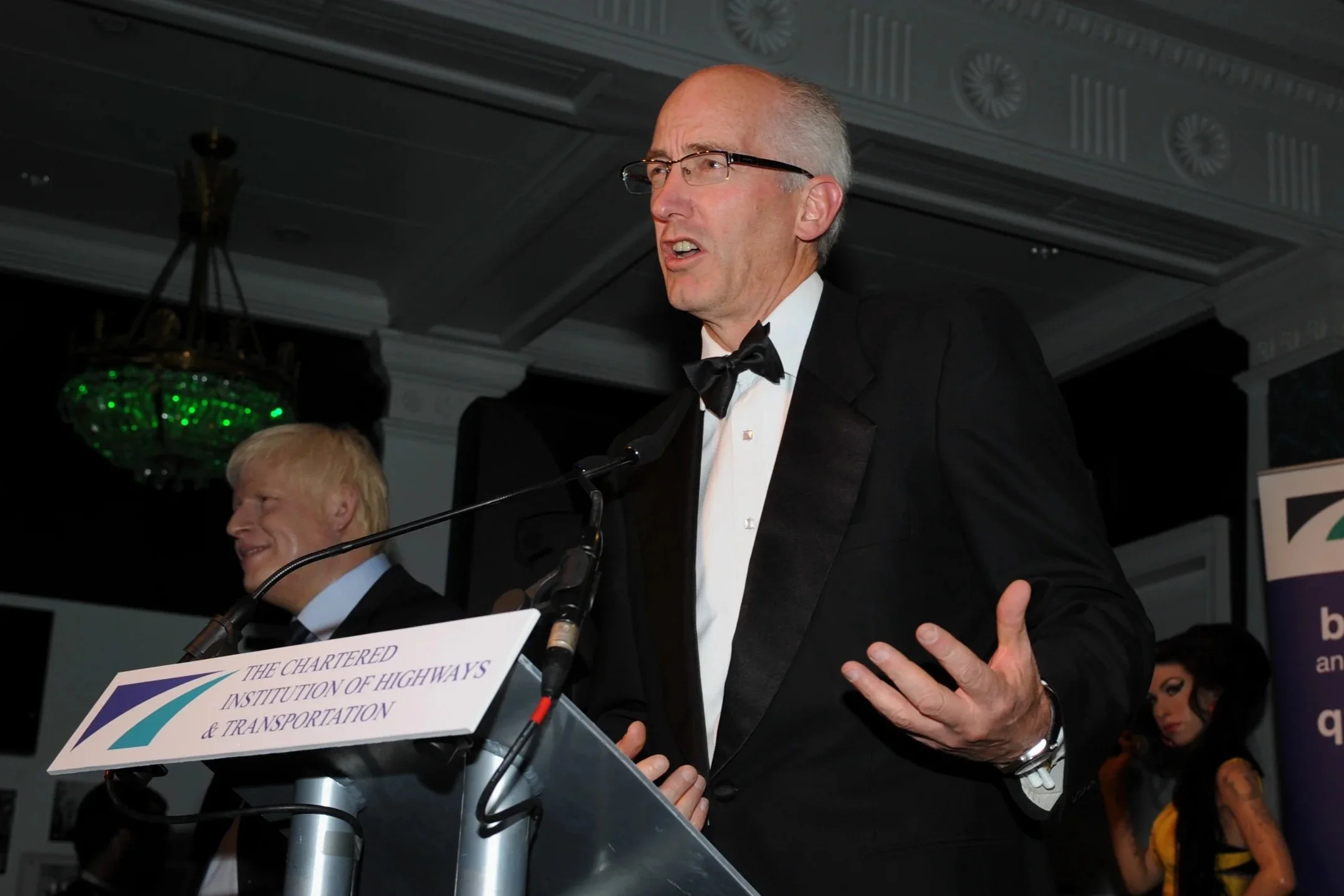
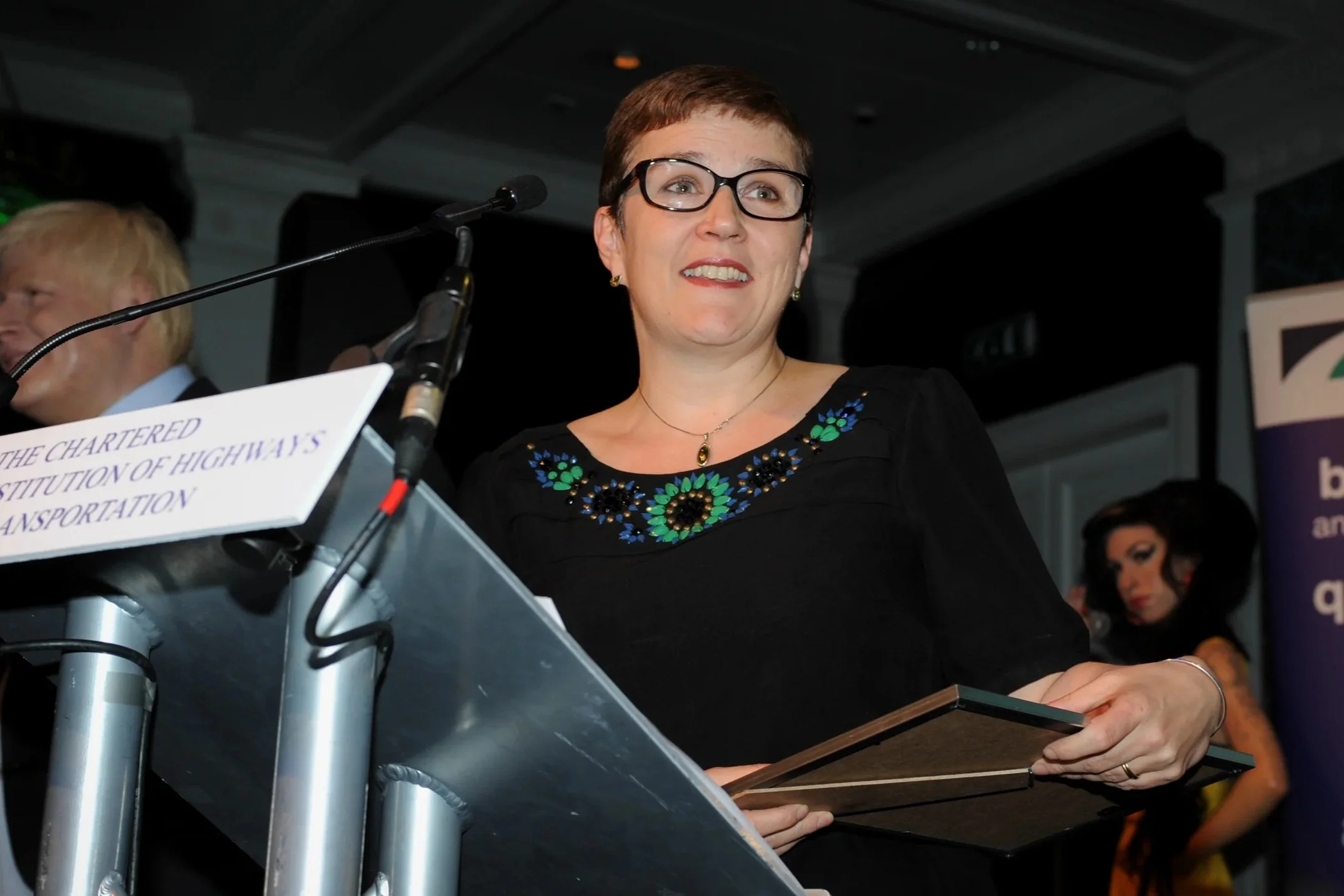
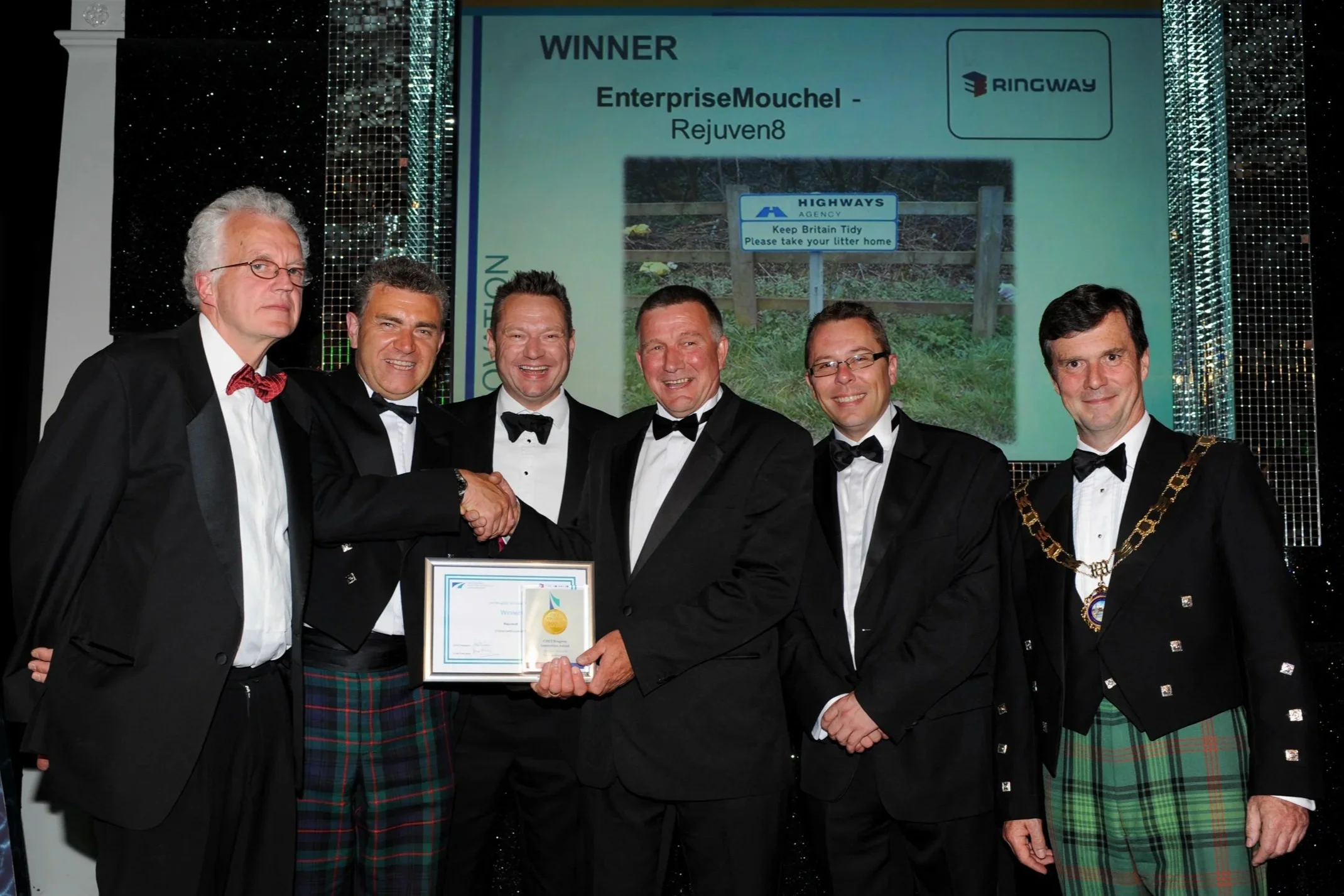
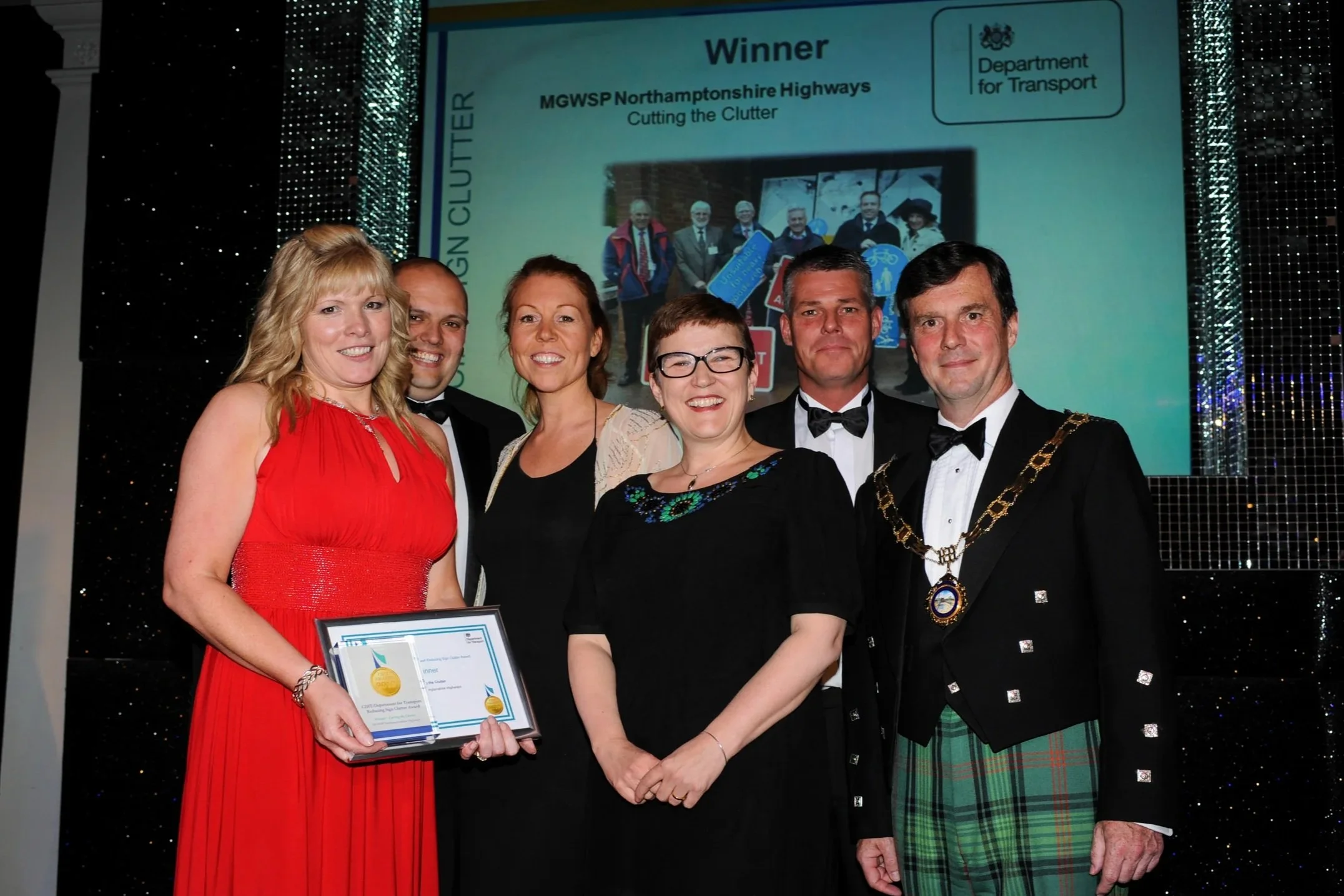
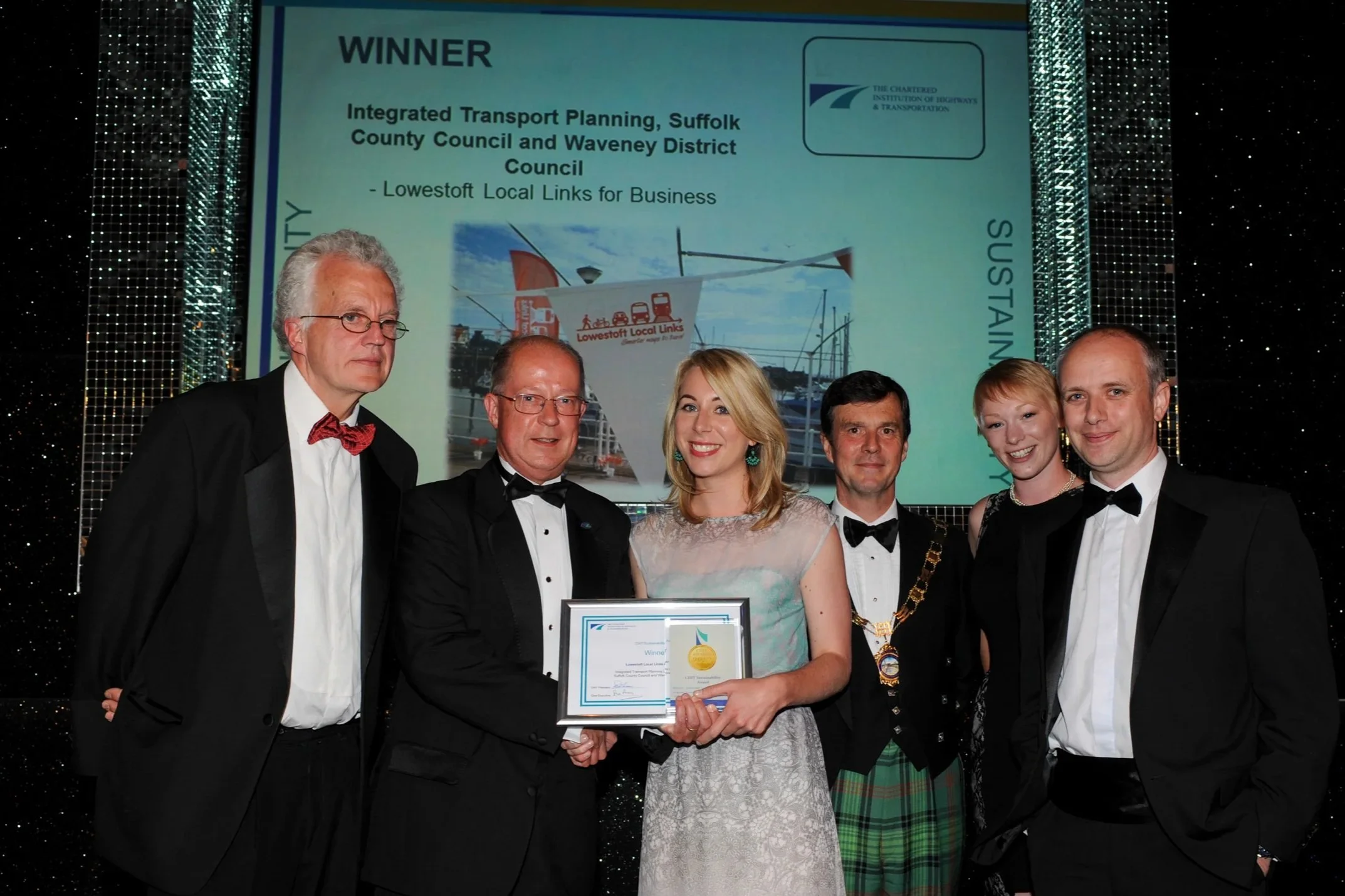
Protocol A: The 'VIP Hold' (On-Stage Precision): Before the show begins, we brief your stage presenter or VIP host. We instruct them to pause briefly with the award winner on stage. We fire a rapid sequence of frames across dual, redundant camera bodies—ensuring we catch open eyes, great expressions, and zero awkward blinks—check the display while the walk-up music plays, and give the presenter a quick 'thumbs up' to release them.
Protocol B: The Off-Stage Studio Guarantee (Zero Show Interruption): If our client prefers a 100% uninterrupted, fast-paced show, we deploy a two-photographer team. Photographer 1 captures authentic, unscripted moments on stage as they happen. Simultaneously, as the winner steps off stage, they are guided directly to Photographer 2, stationed in a private, pop-up mobile studio set up backstage with your corporate branding. You get the raw energy of the stage reaction and a 100% guaranteed, perfectly lit, branded PR portrait.
Inobtrusive Sightline Management: We never stand in the middle of aisles blocking views for paying dinner guests or video crews. We operate from reserved front-side seats using long telephoto glass, stepping into position only at the exact moment of presentation.
4. Setting The Agency Standard: PR Speed, Full Archives & No-Nonsense Pricing
In modern corporate communications, event imagery loses half its value every hour it sits trapped on a freelancer's memory card. If your awards night ends at 11:00 PM, your PR team cannot afford to wait two weeks for an amateur photographer to slowly colour-grade images while your social media momentum dies.
We set the industry standard for enterprise event delivery. This is what every corporate event manager should demand—anything less is an amateur compromise:
The On-Site Live Editor (The Real-Time PR Suite): For high-stakes galas and real-time social media campaigns, we deploy a dedicated on-site digital image editor alongside our photography team. As our photographers capture red carpet arrivals and stage speeches, files are shared directly with the editor's station. Your marketing team can sit directly alongside our editor to select, approve, and deploy fully graded, press-ready hero images to LinkedIn and national media within minutes of them happening.
Late-Night Stage Delivery: Award ceremonies notoriously save their biggest announcements for the end of the night. Our on-site editing team can remain on-station through the midnight hour, ensuring every final award winner photo is fully processed, branded, and delivered to your PR desk ready for 8:00 AM press releases.
The "Press-Ready" Edit (+£150 Upgrade): If you don't require live on-site editing, our standard PR upgrade guarantees that our lead creative hand-picks, colour-corrects, and exposure-balances the top 30 headline images overnight—delivered to your inbox by 12:00 PM the next working day.
The Full Capture Archive (Zero Usage Traps): Many solo freelancers operate on an outdated "Usage Trap"—holding your content hostage and charging per-image fees or restrictive licensing. As part of our standard agency promise, you receive the Full Capture Archive (unedited, high-res JPEGs of every successful shot) paired with a Perpetual Standard Corporate License. You own an immediate, permanent visual library for all internal comms, PR, and social feeds at no extra cost.
Transparent, Director-Curated Pricing: We publish our baseline fees openly to eliminate procurement friction and hidden line items. Curated directly by our Founder & Creative Director, Scott Ramsey—drawing on over 30 years of high-stakes event experience to deliver exactly what organisers require—our core London rates span The Half Day (£575), The Full Day (£1,000), and The Premium Day (£1,500) for complete dual-photographer coverage. For regional travel details and full package specifications, Explore Our Corporate Event Photography Rates.
Beyond Madame Tussauds: Universal Principles for Premier Venues
While the wax figure exhibits at Madame Tussauds continuously rotate, the core production dynamics—high-contrast stage lighting, ambient colour balancing, and high-density guest management—are identical across top-tier venues worldwide. Whether you are hosting a gala at Grosvenor House, a conference at ExCeL London, or an international summit, these operational protocols guarantee flawless visual execution.
Partner with a Proven London Event Team
With 38 years of commercial editorial experience across London and the UK, Scott Ramsey Photography approaches your event with a clear focus: delivering exceptional imagery, maintaining an unobtrusive presence, and representing your brand with absolute professionalism.
Whether you are hosting an intimate 50-person dinner or an 800-guest gala at Madame Tussauds, our clear operational standards and flat-fee pricing ensure seamless sign-off.
Planning an upcoming awards night or conference in London?
Explore our Corporate Event Photography Packages, or contact our London Bureau to discuss your timeline.
Listen to the Deep Dive: Audio Transcript & Accessibility Guide
This transcription is provided for accessibility purposes for our deaf or hard-of-hearing visitors. It covers the comprehensive audio briefing detailing how our London Bureau team navigates complex venue lighting, zero-interruption stage protocols, and rapid PR image delivery for major corporate galas at iconic venues like Madame Tussauds.
-
Host 1: Okay, so picture this: You’re stepping off the really bustling pavement of Marylebone Road in London. You hand over your coat, the heavy doors swing open, and you are immediately immersed in this high-society corporate awards gala at the iconic Madame Tussauds.
Host 2: Oh yeah, it’s quite a venue, right?
Host 1: The atmosphere is completely electric. It’s visually stunning. You’ve got celebrities—well, the wax ones at least—mingling with these high-powered executives. And to the guests, it looks completely effortless. It feels like pure magic.
Host 2: It does. But behind the scenes, that magic is actually an extreme, highly calculated exercise in risk mitigation.
Host 1: Exactly. And that is what we are getting into today. Welcome to the Deep Dive. Today we're using a really fascinating production guide from Scott Ramsey Photography and Videography to peel back the curtain. We're looking at the invisible logistics holding this entire illusion together.
Host 2: Because it really is a beautifully dressed illusion, right? The contrast between what those VIP guests are experiencing and the intense logistical tightrope the production team is actually walking is staggering. Every single element is a potential hazard for the event's visual narrative.
Host 1: Yeah. And our mission today is to show you that top-tier corporate event photography is not just a person wandering around a ballroom with a camera taking nice pictures. It’s brand protection. It’s seamless event execution. Honestly, I think people totally misunderstand the lead photographer’s role here.
Host 2: Oh, absolutely. They think it’s just about being artistic. But I like to think of them not as an artist strolling around waiting for inspiration to strike, but rather as a high-stakes air traffic controller.
Host 1: That is actually a really perfect analogy. An air traffic controller is managing invisible lanes of movement, preventing collisions, and keeping thousands of moving parts on schedule. In a high-stakes gala, the photographer is doing the exact same thing with sightlines, lighting variables, and the overall emotional momentum of the crowd.
Host 2: Because if an air traffic controller makes a mistake, planes crash.
Host 1: Exactly. And if a lead photographer makes a mistake—say they stand in the wrong place and block a video crew, or their flash blinds the CEO during a crucial handshake—the flow of the entire night basically crashes for hundreds of VIPs.
Host 2: So true. Let’s put the listener right into the action. You’ve just arrived at the venue, and based on the guide, the very first hurdle this production team faces is the red-carpet arrival itself.
Host 1: Right. Because you have guests walking in off Marylebone Road, transitioning from the outdoor environment directly into an indoor space lit by targeted spot fixtures.
Host 2: Which sounds simple, but the physics of the environment immediately start working against you the second that door opens. You have outdoor daylight—which is incredibly cool and blue in color temperature—clashing violently with the indoor event lighting, which is usually super warm, targeted, and highly variable. The intensity of the light just drops off a cliff the moment you step inside, right?
Host 1: Oh, massively. If a photographer just sets their camera to auto and hopes the microchip figures it out, you end up with a muddy, underexposed image, or people end up looking like they have a strange, sickly skin tone.
Host 2: But looking at Ramsey's workflow, his team doesn't actually try to fight that lighting shift or try to balance it to look like soft natural daylight. They lean straight into the chaos.
Host 1: They really do. They set up an editorial, paparazzi-style arrival line right at the threshold using high-speed, on-camera press flash.
Host 2: Yeah, drawing entirely on their newsroom and press pedigree for that approach. That fast, dynamic burst of bright light completely overpowers the mixed ambient lighting. It cuts right through the gloom and freezes the motion perfectly.
Host 1: Plus, there's a deeper psychological layer to this tactic, isn't there?
Host 2: Oh, totally! When an executive or a major event sponsor walks through the door and immediately gets hit with that rapid-fire press flash, it makes them feel like an A-lister. Before they've even reached the cloakroom, the energy of the night is set.
Host 1: That is so smart. But here’s the problem: that exact burst of paparazzi flash that makes everyone feel like a VIP at the door creates a massive issue the minute they walk further inside into the reception area.
Host 2: Exactly. The reception area is totally dominated by the wax figures. Guests naturally want spontaneous photos holding a cocktail next to James Bond or the royal family, and that exact same press flash will absolutely ruin the photo.
Host 1: It becomes a massive mathematical headache for the production team because you are mixing live, breathing humans with highly reflective wax statues under dynamic museum spotlighting.
Host 2: Wait, I have to stop you there because I don't fully get this. If I go to Madame Tussauds, those figures look completely real to my naked eye. They are absolute masterpieces of sculpting.
Host 1: They really are incredible.
Host 2: So why does a $5,000 professional digital camera suddenly get confused when my human eye doesn't? Why is photographing a living human next to a wax figure such a specific nightmare?
Host 1: Well, it really comes down to the physics of surface materials and how digital sensors process light compared to our brains. Our eyes are incredible at adjusting to extreme contrast in real time, but a digital sensor is completely unforgiving.
Host 2: Okay, so how does it see human skin versus wax?
Host 1: Live human skin is porous. It absorbs light and scatters it beneath the surface—a phenomenon called subsurface scattering, which is what makes human skin look warm and natural.
Host 2: Oh, wow. Okay. And the wax?
Host 1: Wax figures don't do that. They are finished with lacquers and glazes to make them pop under the museum's targeted spotlighting. The wax skin—and especially the acrylic eyes—are highly reflective. They bounce light straight back into the camera.
Host 2: Ah, I see!
Host 1: So if an amateur walks up and fires a direct flash at that grouping, the human skin might look fine, but the flash hits that lacquered wax and bounces right back into the lens. The wax figure becomes completely blown out.
Host 2: Meaning it’s just way too bright.
Host 1: Exactly. You get this harsh, bright white glare where the face should be. Add in the aggressive reflections off any glass in the displays and the sharp shadows cast onto the wall behind them, and the photo is totally unusable.
Host 2: It’s like taking a picture of yourself in a bathroom mirror with the flash turned on. You just get a giant white starburst.
Host 1: That is the exact same optical principle.
Host 2: So how do you fix it?
Host 1: To solve this, a veteran agency relies on obsessive preparation. Long before the first guest puts on a tuxedo, the photography team conducts a detailed early-arrival walkthrough alongside the event organizer. They survey the venue like a battlefield, literally mapping out the ambient-to-flash ratios across every single room.
Host 2: Let’s define that for a second. If I’m an event planner, I might not know what an ambient-to-flash ratio is. Are we just talking about how bright the room is?
Host 1: It’s about balancing two completely different light sources. Think of it like mixing hot and cold water to get the perfect temperature. The ambient light is the hot water—the continuous spot fixtures and mood lighting already in the room.
Host 2: Okay.
Host 1: And the flash is the cold water—the split-second burst of light from the camera. The ratio is the actual math the photographer does in their head to blend them seamlessly. They want the flash to be just bright enough to light the guest's face, but low enough that the ambient room lights still register.
Host 2: So it keeps the moody atmosphere of the venue intact.
Host 1: Exactly. They fire test shots to understand exactly how the existing spot fixtures are hitting the wax displays, calculating that ratio room by room. Because once the guests are in the building, there is zero time to think.
Host 2: The math basically has to become instinct at that point.
Host 1: 100%. As a guest walks up to a figure, the photographer is making split-second micro-adjustments. They might realize the glare will be too harsh, so they reposition the guest at a slight angle or use an off-axis fill light.
Host 2: Which means they aren't firing the flash straight forward from the top of the camera.
Host 1: Right. If you shoot straight on, you get that mirror reflection. Off-axis means they’re physically holding the flash away from the camera lens or having an assistant hold it on a pole.
Host 2: Oh, that makes sense!
Host 1: Yeah. So the light hits the wax figure from an angle, bouncing harmlessly off to the side rather than straight back into the camera. They might also bounce their flash off the ceiling or a nearby architectural column to soften the light.
Host 2: It’s literally geometry and physics in real time. And they’re doing all this while smiling and making the VIP feel perfectly comfortable!
Host 1: Exactly. But the guide details something else they do that I found really interesting. To completely eliminate those uncontrollable variables, Ramsey’s team doesn't just rely on roving photographers bouncing light off ceilings. They actually deploy a dedicated pop-up mobile studio right next to the iconic wax displays.
Host 2: Yeah, the VIP mobile studio! It takes all the guesswork out of the equation. They set up full directional studio lighting that is pre-metered and completely locked in.
Host 1: So instead of a guest getting a dark, grainy smartphone snap with their favorite figure, they are ushered into a controlled environment for a magazine-quality portrait.
Host 2: It turns a simple photo op into a high-value keepsake associated with the corporate brand hosting the event. It’s brilliant.
Host 1: It really is. But eventually, the drinks reception ends. The guests have had their paparazzi moment and navigated the wax A-listers. Now they are ushered into the World Stage Ballroom for the main awards ceremony. And if the lighting was tricky in the reception, the stakes in the ballroom multiply exponentially.
Host 2: The ballroom is the ultimate stress test. You are in a chaotic room with people eating, clinking glasses, and talking loudly. The lighting is dramatic and low. There is absolutely no room for error.
Host 1: None. There are no second chances on an award handoff. You can’t ask the CEO to hand the trophy over a second time because your camera wasn't ready. And there is zero time for a photographer to be standing in the center aisle fiddling with camera menus.
Host 2: Plus, you have paying dinner guests whose sightlines cannot be blocked, and video crews filming the event who will be furious if a photographer steps into their frame.
Host 1: So the photographer basically has to be a ghost—but a ghost who perfectly captures the most important split-second of the night.
Host 2: To manage this, the agency standard dictates using two distinct stage protocols to ensure zero disruption. Protocol A is what they call the VIP Hold.
Host 1: Tell us about the VIP Hold.
Host 2: This is all about total on-stage precision and requires a little bit of pre-show rehearsal. Before the show starts, the production team briefs the stage presenter. They instruct them to pause for just a single beat when handing over the award and look toward a specific spot.
Host 1: And in that tiny window, the photographer fires a rapid sequence of frames across dual redundant camera bodies. Let’s unpack the redundant bodies for a second, because to a layman, wearing two heavy cameras looks like total overkill.
Host 2: It looks like overkill right up until a memory card corrupts halfway through a keynote speech or a mechanical shutter simply breaks from overuse.
Host 1: Equipment fails—it happens all the time. By shooting simultaneously on two professional camera bodies and writing to multiple memory cards in each camera, they’re building an impenetrable safety net. If one camera's flash misfires, the other catches the moment.
Host 2: It guarantees they get the open eyes, the genuine smile, and no awkward mid-sentence blinks. Then, while the walk-up music is still blaring and the applause is happening, the photographer quickly checks the digital display, gives the presenter a silent thumbs-up, and the show rolls right on.
Host 1: It’s a whole silent language. But what happens if the client organizer says, "Absolutely no pausing. We are broadcasting live and want a fast-paced, 100% uninterrupted show. Do not stop for a photo."
Host 2: Well, that triggers Protocol B: the Off-Stage Studio Guarantee. You cannot execute this with a solo freelancer; it requires a coordinated team. Photographer 1 is stationed out in the room operating with a long telephoto lens. Their only job is to capture the raw, unscripted energy of the winner’s reaction on stage as it happens. They don't intervene or ask for a pose.
Host 1: Which is great for authenticity, but maybe not the super-polished shot the corporate press office needs for tomorrow's newsletter.
Host 2: Which is exactly where Photographer 2 comes in. Photographer 2 is waiting backstage in a private pop-up mobile studio that is already set up with the corporation’s step-and-repeat branding.
Host 1: This is where I instantly think of a Formula 1 pit stop. You do not stop the race so the driver can take a bow, but you pull the car aside for 3 seconds of precision engineering and send them right back out onto the track.
Host 2: That’s a great way to picture it! The VIP winner steps off the stage, adrenaline pumping, clutching the award. The stage manager guides them instantly into this backstage studio. The softboxes are already metered, the background is set. Click, click, click—3 seconds later, they have a guaranteed, perfectly lit branded portrait, and the winner is walking back to their table to celebrate.
Host 1: So the event organizer gets the candid emotion of the stage win from Photographer 1, and the corporate PR team gets the pristine portrait from Photographer 2.
Host 2: Exactly. And because Photographer 1 is using long telephoto lenses from reserved frontside seats, they aren't standing in the middle of the aisle blocking the view of a guest who just paid £1,000 for their dinner ticket. Unobtrusive sightline management is just as important as the exposure of the photograph itself. If the guests remember the photographer, the photographer failed.
Host 1: Totally. So, we've navigated the chaotic red carpet, conquered the physics of the wax reflections, and executed the flawless redundant stage protocols. You’ve captured the perfect award-winning photos. But here is the harsh reality of modern corporate communications: that brilliant photo is entirely useless if it is trapped on a memory card inside a camera bag.
Host 2: It really is. In today's hyperconnected digital landscape, an event image loses half its value for every hour it sits unpublished. If your gala ends at 11:00 PM, the social media momentum from the attendees is peaking right at that moment. The corporate PR team cannot afford to wait two weeks for a freelancer to go home and slowly process images. They need those assets yesterday.
Host 1: So how does a top-tier agency actually solve this real-time demand?
Host 2: They build a PR war room on-site. For high-stakes events, Ramsey’s team deploys a dedicated digital image editor who physically sits at the venue working right alongside the photography team. As the photographer shoots the awards, those massive raw files are transferred instantly to the editor's workstation.
Host 1: So the client's marketing director can literally pull up a chair next to the editor, point at the screen, and say, "That's the hero image of the CEO. Get it out."
Host 2: Yes, exactly! The marketing team selects the winners on the spot, and the editor instantly color-grades them.
Host 1: Let’s explain color grading for a second. Raw image files from professional cameras are flat and neutral by design. They capture maximum data, but look dull until processed. Color grading is basically the darkroom work of the digital age.
Host 2: The editor fixes the white balance so a white shirt doesn't look orange from the stage lights. They push the contrast, sharpen the eyes, and ensure the corporate brand colors in the background look vibrant and accurate. Once that's done, the client deploys those polished assets to LinkedIn, internal comms, and national media desks while the event is still happening.
Host 1: That is incredible leverage for a PR team. But what about massive announcements held back until midnight?
Host 2: The on-site editing team simply stays on station through the midnight hour. By the time national PR desks open at 8:00 AM the next morning, fully branded, press-ready images are already sitting in their inboxes. And if a client has a slightly smaller budget, they offer a standard upgrade where the lead creative guarantees handpicked, color-corrected headline images delivered by 12:00 PM the very next day.
Host 1: I want to challenge something here. A lot of people who occasionally hire photographers might think, "Doesn't every professional event photographer just hand over the photos at the end? Why is this business model so unique?"
Host 2: It sounds like it should be the industry standard, but it really isn't. Many solo freelancers operate on what is known as the "usage trap." A freelancer might charge a low day rate to win the contract, but then they hit you with per-image download fees or restrictive licensing—for example, saying you only have the rights to use the image on social media for one year.
Host 1: So if your marketing department wants to use that same photo in a printed annual report two years later, the photographer demands another licensing fee! It paralyzes the communication strategy.
Host 2: Exactly. But Ramsey’s agency standard eliminates this friction entirely. Their model provides the full capture archive—meaning you receive the high-res JPEGs paired with a comprehensive, perpetual corporate usage license. You own your brand asset library immediately and permanently for all standard corporate, PR, and internal comms needs, with zero extra usage costs down the line.
Host 1: And that transparency extends to their pricing model: flat fees published openly (£575 for a half day, £1,000 for a full day, and £1,500 for premium dual-photographer coverage). When you combine flat fees with £10 million public liability insurance and strict GDPR compliance, procurement is seamless.
Host 2: You just threw GDPR in there! What does European data privacy law have to do with taking a picture of someone holding a trophy at an awards dinner?
Host 1: Everything, actually! A photograph of an identifiable person's face is considered biometric personal data under GDPR. A top-tier agency understands the legal frameworks of corporate imagery. They manage crowd notices, employee consent, and have systems in place for the "right to be forgotten."
Host 2: So if an employee leaves a company on bad terms three months later and demands their image be scrubbed from the corporate archive, the agency's database management ensures those files can be isolated and removed quickly. The event organizer isn't just buying photos—they are buying legal compliance.
Host 1: Let’s zoom out a bit. We’ve spent this deep dive using Madame Tussauds as the primary example, but that's really because it is the ultimate stress test for any production team.
Host 2: If a team can manage the physics and chaos there, they can execute anywhere—whether you are booking the Great Room at Grosvenor House, a massive hall at ExCeL London, or an international summit. These are the uncompromising standards you must demand from your visual team.
Host 1: It’s the stark difference between merely documenting that an event happened and actively contributing to its operational success and brand reputation. When you hire an agency with 38 years of editorial and commercial experience, you aren't paying for a pretty picture—you are paying for peace of mind, brand protection, and seamless execution.
Host 2: The camera is genuinely just a tool. The real value is in the logistical mastery.
Host 1: So, tomorrow, when you are drinking your morning coffee and scroll past a pristine, beautifully lit corporate event photo on LinkedIn, take a second to really look at it. Think about the invisible choreography that had to happen just outside the edges of that frame.
Host 2: Consider the real-time lighting math calculated in someone's head to avoid a harsh glare, the silent stage cues exchanged between a photographer and a host, and the on-site editor furiously color grading files so that single perfect image could reach your feed before breakfast.
Host 1: It really gives you a new appreciation for the highwire act behind the scenes. It is so much more than just pressing a button.