
London Corporate Portraits: Why Editorial Instinct Beats the Standard Studio Template
How an On-Location Editorial Approach Transforms Real-World Workspaces Into Engaging, Unique Visual Assets
When commissioning corporate imagery, many firms mistake standard, high-volume headshots for true brand portraiture. While uniform profiles serve a clear administrative purpose for internal directories or HR onboarding, they are not designed to tell a compelling story. The risk of relying solely on factory-line studio setups is that your company ends up looking exactly like every other corporate firm on the market.
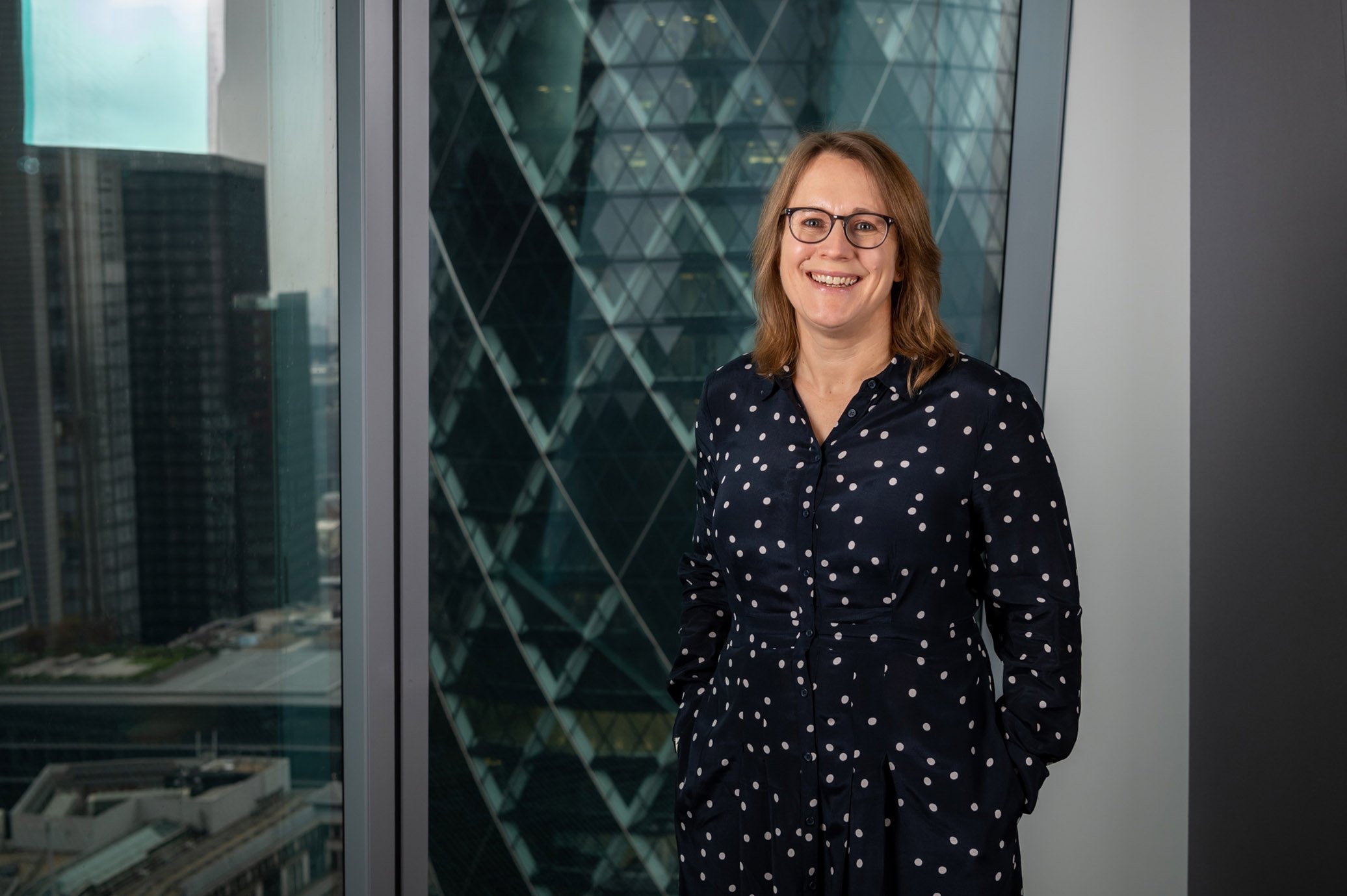
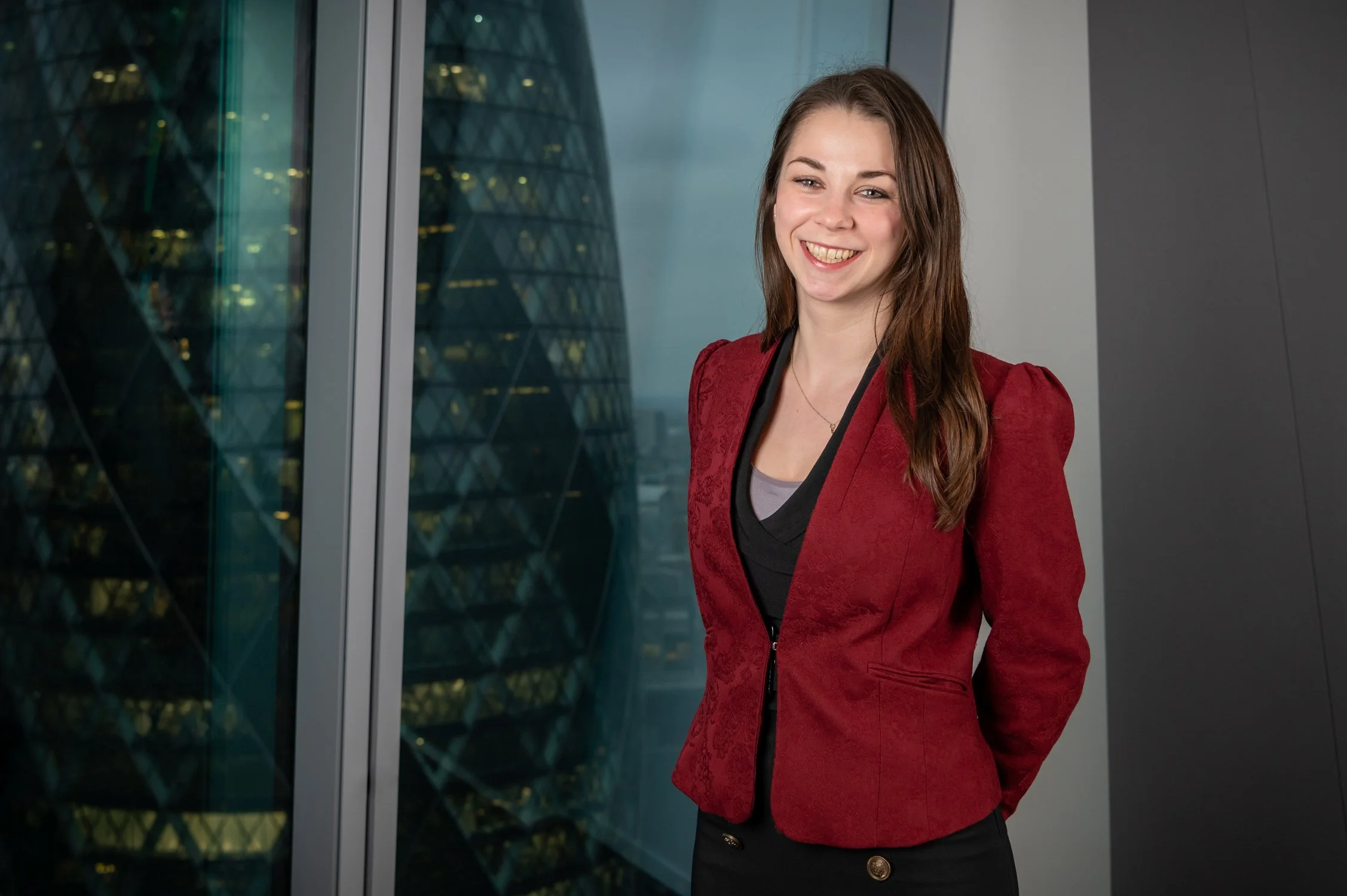
The Anti-Corporate Standard: A wide-angle editorial portrait that balances high-end style with environmental scale. By capturing character natively against a moody London cityscape rather than forcing a predictable, white-walled studio setup, it establishes an elite brand narrative built on true individuality.
To stand out, businesses require unique, engaging corporate portraits captured natively within their working environments. Achieving this doesn't depend on having a perfect, architect-designed office space; it depends on the background and adaptability of the photographer. By trading rigid studio constraints for an editorial approach, an experienced location specialist looks at environments differently—using the real-world elements of your workspace to frame your team with honesty, clarity, and true distinction.
AUDIO BRIEFING
Listen: Editorial Instinct vs. The Standard Corporate Template
Stream this audio briefing to discover how an on-location editorial approach projects true market authority. Learn why replacing assembly-line studio headshots with character-driven portraits eliminates generic corporate branding. Discover how we transform plain offices into unique visual assets without wasting your team's billable hours.
-
Host A: Today's mission on the deep dive is, well, it's basically a creative rescue operation.
Host B: Oh, absolutely. That is the best way to describe it.
Host A: Right. We are deconstructing a brilliant tactical branding strategy, and it's masquerading as a standard corporate photo shoot. We're looking at a case study from Scott Ramsey Photography and Videography titled London Corporate Portraits: Why Editorial Instinct Beats the Standard Studio Template.
Host B: Yeah. And it's such a perfect example of what to do right when everything else is going wrong.
Host A: Exactly. And look, if you manage a brand or if you oversee high-performing teams and need to project true market authority, you need to listen to this because standard factory-line corporate headshots are actively damaging elite brands today, especially in an AI-dominated world.
Host B: They really are. I mean, they just scream generic.
Host A: Yeah. But before we get into, you know, the technical mechanics of ambient light and f-stops, you need to picture the scenario of this shoot.
Host B: It is genuinely a nightmare scenario for any creative agency.
Host A: It really is. Imagine a top-tier brand, right? A firm that trades heavily on its prestige. Now, imagine the visual representation of that brand. The portraits of its highest-performing talent hinging on a completely plain, 20th-floor white meeting room.
Host B: The dreaded white box.
Host A: The dreaded white box. There's one lonely office chair. There is a single wooden desk. And I mean, the window blinds are quite literally broken.
Host B: It's the absolute antithesis of what you'd expect for high-end corporate branding. I mean, you have all this ambition of a premium market leader, but it's physically trapped inside a bleak, featureless box.
Host A: Right?
Host B: And the underlying problem here goes way beyond just a bad room. We're operating in a market heavily saturated with synthetic, generic content.
Host A: Which is everywhere now.
Host B: Everywhere. Standard factory-line headshots. You know, the kind where every single employee stands slightly angled in front of the exact same white paper backdrop.
Host A: With the exact same fake smile.
Host B: Exactly. Those are no longer just uninspiring. They actively signal a lack of distinctiveness. They basically tell the market, "We are exactly like everyone else."
Host A: Okay, let's unpack this though, because if you are managing an elite brand and you clearly understand the risk of looking like a faceless corporation, why on earth would you sanction your top-tier talent being photographed in a broken-down meeting room?
Host B: It sounds crazy, right?
Host A: It seems entirely counterintuitive. It's like taking a bespoke, meticulously crafted business strategy and deliberately deciding to just slap a generic algorithmic filter over it. I mean, why not just book a high-end studio?
Host B: Well, that is the logical question, sure, but it totally ignores the raw operational reality of the business.
Host A: How so?
Host B: Because why was this shoot happening in that compromised space? The truth is there was absolutely no other option.
Host A: Right. Their hands were tied.
Host B: Exactly. This firm needed high-quality imagery, and they needed it urgently.
Host A: Yeah.
Host B: But they operate on a model of highly valuable billable hours.
Host A: Ah, the billable hours—always the bottleneck.
Host B: Always. Think about the logistical friction of the alternative. You're pulling busy executives out of their workflow, putting them in cabs, sending them across London to some pristine offsite photographic studio.
Host A: Waiting around for the shoot.
Host B: Right. Waiting, shooting, and then bringing them all the way back.
Host A: So, the real invoice isn't the studio rental fee at all.
Host B: Not even close.
Host A: It's the massive drain on executive bandwidth. I mean, it's the thousands of pounds lost in unbillable downtime for every single person who walks out that front door.
Host B: Bingo. They are pinned between two immovable forces here. On one hand, they demand a premium finish because, well, they've been burned by the standard route before.
Host A: Yeah. The case study mentions they deeply regretted their previous corporate portraits.
Host B: Right, which gave them these deeply regrettable generic assets. Yet, they physically cannot afford the time for their team to leave the building. So, they need studio-level elite branding delivered inside a broken white box. And they need it without interrupting the daily operational workflow.
Host A: Which brings up a really interesting contrast. If you hire a standard corporate photographer for this job, they walk into that 20th-floor room, take one look at the broken blinds and the single desk, and they just, well, they just freeze.
Host B: Oh, yeah. Panic mode.
Host A: Or worse, they go into their default routine, right? They roll in these massive carts of gear, set up their artificial lights, pull down a flat white background to hide the room...
Host B: And then just crank out bland headshots.
Host A: Exactly. Cranking out bland headshots while spending the entire session complaining to the client about how terrible the location is.
Host B: Yeah, that standard approach is exactly what this case study flips on its head.
Host A: Mhm.
Host B: Because the client physically cannot leave this room, the success of the brand's visual identity hinges entirely on how the practitioner's brain processes the limitations of the space.
Host A: Which is where the editorial background comes in.
Host B: Precisely. Scott Ramsey brings over 30 years of editorial newsroom experience to the table. And look, an editorial mindset fundamentally rewires how a photographer sees a room.
Host A: Right, because you aren't trained to live in the comfort zone of a perfectly controlled, white-walled studio.
Host B: Not at all. Every single day of a news or magazine career is spent walking into unpredictable and, frankly, often compromised locations. You are trained to extract the absolute best narrative out of the reality you are handed, not the reality you wish you had.
Host A: I want to push back on the mechanics of that though, because the text mentions they embraced the London atmosphere instead of hiding the room. They actually raised the broken blinds and leaned into this dreary, overcast November day.
Host B: They did. Yeah.
Host A: But I mean, if you are in a dark room on a gloomy day and you open the blinds to the sky, doesn't the subject just turn into a dark silhouette? Like, how do you actually get a usable high-end portrait without blasting them with a flash to compensate?
Host B: Well, that is exactly where the technical physics of photography intersect with the creative strategy.
Host A: Okay.
Host B: See, a standard corporate photographer wants to control everything. So, they use a narrow aperture to keep everything sharply in focus, which requires a massive burst of artificial flash. When you use those artificial strobes, the light travels a very short distance. It illuminates the subject but drops off rapidly, completely overpowering the ambient light of the room.
Host A: Oh, I see. So, it essentially turns the background into a flat, dark void or just a blown-out white space.
Host B: Exactly. They're literally erasing the room from the camera's sensor. Here's where it gets really interesting, though, because when you do that, the flash destroys the context.
Host A: Completely destroys it.
Host B: But an editorial photographer does the opposite. By turning off those heavy strobes and opening up the aperture, dialing down the f-stop on the lens, the camera sensor just drinks in the ambient light.
Host A: So, they expose for the room itself.
Host B: Yes, they utilized that flat, directional November light. And because it was overcast, the light was actually soft and diffused. It acted like a giant natural softbox.
Host A: That's fascinating.
Host B: By opening those blinds and letting the lens breathe, they incorporated the imposing silhouette of the Gherkin and, you know, the atmospheric city streets far below. They took a sterile corporate box and used the physics of ambient light to add this deep, cinematic layer of character.
Host A: You know, think of your brand's visual identity kind of like a data set. This is a concept we can call information gain.
Host B: I like that. Information gain.
Host A: Yeah. Because every time you default to a white paper backdrop and blast the subject with identical, rigid studio flashes, you are choosing a zero-data environment.
Host B: You really are.
Host A: You're actively deleting data. You're wiping away the context, the scale, and the physical reality of your business. But by embracing the constraints of the actual office—even if it's messy, even if the light is gloomy—you are choosing high-data authenticity.
Host B: That's a brilliant way to frame it because that moody London skyline natively injects an elite brand narrative directly into the frame.
Host A: Right? Authenticity and environmental scale suddenly outrank artificial perfection.
Host B: Yes. When a potential client or partner looks at that image, their brain instinctively registers the data. They see, "This isn't a stock photo in a vacuum. This is a real person operating in a real powerhouse environment, making real decisions."
Host A: And looking at the final assets they delivered, I mean, it isn't an assembly line at all. They didn't force every executive into the exact same rigid posture under the exact same artificial beam of light. Every single person has a completely unique image. But importantly, they don't look disjointed. No two photographs are identical, but they are unified by what the case study terms a shared editorial DNA.
Host B: A shared editorial DNA. I love that phrasing.
Host A: It's perfect. Right. There is a high-end composition and a natural, cinematic tone that maintains absolute organizational cohesion across the entire enterprise.
Host B: So, it builds a unified brand out of authentic individuals rather than trying to build a brand out of identical clones.
Host A: Exactly. It completely solves the faceless corporation problem that the client was so terrified of repeating.
Host B: Wait, wait. I need to interrupt this flow because there is a massive variable we are totally ignoring here.
Host A: Oh, what's that?
Host B: You can have the perfect ambient exposure of the Gherkin. You can dial in the f-stop flawlessly to capture the moody November light. But if the high-powered executive sitting in the chair has dead eyes, stiff shoulders, and a forced, terrified smile, the photograph is still completely useless.
Host A: Exactly. So, how did they solve the human element?
Host B: You've hit on what is arguably the most critical pillar of this entire rescue mission, because the final pillar isn't about the room and it isn't about the physics of light. It is entirely about the psychology of the subject.
Host A: Which is always the hardest part.
Host B: Without a doubt. The case study touches on a universal truth here: most people absolutely dread being photographed.
Host A: I know I do.
Host B: We all do. And that dread is acutely magnified when you're dealing with high-performing staff, top-tier partners, and executives. But why is it worse for them? I mean, these are people who confidently manage millions of dollars and lead massive teams. Why does a camera lens suddenly paralyze them?
Host A: Because it represents a total loss of control.
Host B: Oh, that makes sense.
Host A: Right? These are individuals who dictate the terms of their environment. They run the meetings. They set the strategy. They are literally masters of their domain.
Host B: And then suddenly...
Host A: Suddenly they're told to walk into a room, sit in a specific chair, and they have zero agency over how they're going to be perceived. The photographer holds all the power in that dynamic.
Host B: Wow.
Host A: It is a deeply uncomfortable, highly vulnerable experience for someone who just isn't used to being vulnerable at work. And that acute discomfort translates instantly into physical rigidity.
Host B: So what does this all mean for the execution? What's the actual mechanism for disarming them? Because we already established the operational reality—they are protecting billable hours, right? The photographer does not have an hour to sit down, pour them a coffee, and slowly build rapport. I mean, they have maybe 5 or 10 minutes before that executive needs to be back on a revenue-generating call.
Host B: What's fascinating here is that this is where the true engine of the editorial style reveals itself, and it has absolutely nothing to do with camera gear.
Host A: It's purely psychological.
Host B: Yes, it is rapid psychological assessment. The text explicitly highlights their real secret weapon: it's a rare, intuitive ability to instantly relax people, to show true empathy, and to take a genuine interest in what the subject does.
Host A: Okay, but empathy sounds like a soft skill. How does that practically work in a 3-minute window?
Host B: By redirecting their focus from their vulnerability to their competence.
Host A: Oh, that's smart.
Host B: See, an experienced editorial shooter doesn't tell a CEO to say cheese or smile for the camera...
Host A: Because that just creates a grimace.
Host B: Exactly. It feels totally fake. Instead, they ask them a highly specific, intelligent question about their field of expertise. They get the executive talking about the thing they command, the thing they are actually passionate about.
Host A: And then what happens?
Host B: The moment the subject shifts into their zone of genius, the physical armor drops. The shoulders relax, the eyes engage, the posture shifts from defensive to authoritative.
Host A: So the photographer isn't waiting for a smile at all.
Host B: Nope. They are waiting for a micro-expression of genuine confidence. And the second it appears, they capture it.
Host A: It's almost like a form of psychological judo. You are using their own professional authority to defeat their personal insecurities.
Host B: That is a great analogy. In a way, the photographer is acting like a hostage negotiator, right? Rescuing the executive from the confines of their own discomfort in order to capture their authentic market value.
Host A: The negotiator analogy is very apt.
Host B: Yeah. And tying it back to the business case, this level of psychological agility isn't just a nice-to-have, you know, soft skill. It is a hard, tactical business advantage.
Host A: Absolutely.
Host B: By building deep mutual trust in a matter of minutes, the photographer transforms a highly stressful requirement into a premium storytelling asset. And they do it while seamlessly protecting the team's billable hours. Zero logistical downtime.
Host A: Which fundamentally changes the equation of what you are actually paying for when you commission this level of work. You are not paying for someone to just press a button on a piece of hardware. You are paying for 30 years of editorial instinct combined with high-level psychological agility. You're paying for someone who can walk into a broken-down white box of a room, look at a stressed-out, time-poor executive, and extract absolute market authority from both the room and the person simultaneously...
Host B: And doing it natively, too, without resorting to the synthetic, zero-data crutch of a seamless paper backdrop.
Host A: Exactly. Which brings us to the core synthesis of this entire case study. If you want true brand distinctiveness in a market that is currently being flooded by generic, AI-generated, perfectly smooth content, you cannot rely on factory-line templates.
Host B: You just can't. Distinctiveness doesn't come from possessing a flawless, architect-designed office space. I mean, this client certainly didn't have one, and they still walked away with premium assets.
Host A: Right, because distinctiveness comes from information gain. It comes from editorial instinct. It comes from leaning into your environmental reality, even the messy parts, rather than fighting to hide it.
Host B: And it relies on that rapid human connection that allows true, unforced character to actually reach the sensor.
Host A: Which leaves a very important and slightly provocative question for you to consider about your own brand as we wrap this up.
Host B: Oh, I like where this is going.
Host A: We've spent this time analyzing how a team looked at broken blinds, a lonely desk, and flat November skies and managed to extract a cinematic, elite visual narrative from them. So, I ask you to look at your own business environments.
Host B: Yeah.
Host A: Look at your own perceived constraints, the overcast skies in your daily operational realities...
Host B: The imperfections you usually try to, you know, crop.
Host A: Precisely. The very flaws and limitations you're constantly trying to hide behind a metaphorical white studio background. Well, what if those are actually the exact elements you need to tell your most compelling, authentic brand story? What if your constraints are, in fact, your greatest unutilized assets?
It requires a total paradigm shift in how you view your brand's footprint. Stop hiding the reality of your business behind zero-data templates and start finding the editorial narrative hidden inside your own white boxes. Thank you for joining us on this deep dive. We'll leave you to rethink your own broken blinds. Until next time.
Case Study: Focusing on the Person, Not the Room
Creating an engaging corporate portrait can be challenging, but it always comes down to stripping away the visual distractions to let the subject's personality do the heavy lifting.
On one assignment on the 20th floor of a Central London office building—offering a view of The Gherkin and the city skyline—the only space available for the shoot was a completely plain, white meeting room. It was a literal white box, featuring broken window blinds, a single wooden desk, and a lonely office chair.
Rookie Panic vs. Tactical Execution
The Inexperienced Approach: An inexperienced photographer would have panicked when faced with a blank white box like that.
The Standard Approach: A standard corporate shooter would have simply flipped to default mode—cranking out bland, forgettable headshots against the flat wall while pushing back with complaints about why the room wouldn't work.
Our Approach: We don’t operate on default settings. We possess a specialised editorial skillset that standard commercial operators simply do not have, and instead of fighting a compromised space, we choose to lean directly into the person in front of the lens.
Our client explicitly wanted unique, engaging portraits because they had already been down the standard route with a previous photographer. They deeply regretted that decision because the resulting images made them look identical to every other faceless corporation on the market.
They knew this plain room would be a challenge, but they also knew that our handpicked team at Scott Ramsey Photography and Videography looks at environments differently.
An Honest Note on Constraints: Let's be completely upfront: we can't promise miracles. Achieving a premium result requires absolute honesty from the client about the location and its physical limitations, alongside a clear, mutual understanding of what is actually achievable in a difficult space.
The Operational Reality
So, how does this situation come about? Or, to look at it practically, why is the assignment taking place in a compromised corporate room to begin with?
It comes down to operational reality: companies often have no other option. They need high-quality images urgently, but they cannot afford the downtime or logistical disruption of pulling their busy staff out of the business to send them to an off-site studio. Yet, they completely refuse to settle for standard, uninspiring frames—they demand a premium finish.
Editorial Corporate Portraits: The London Executive Series
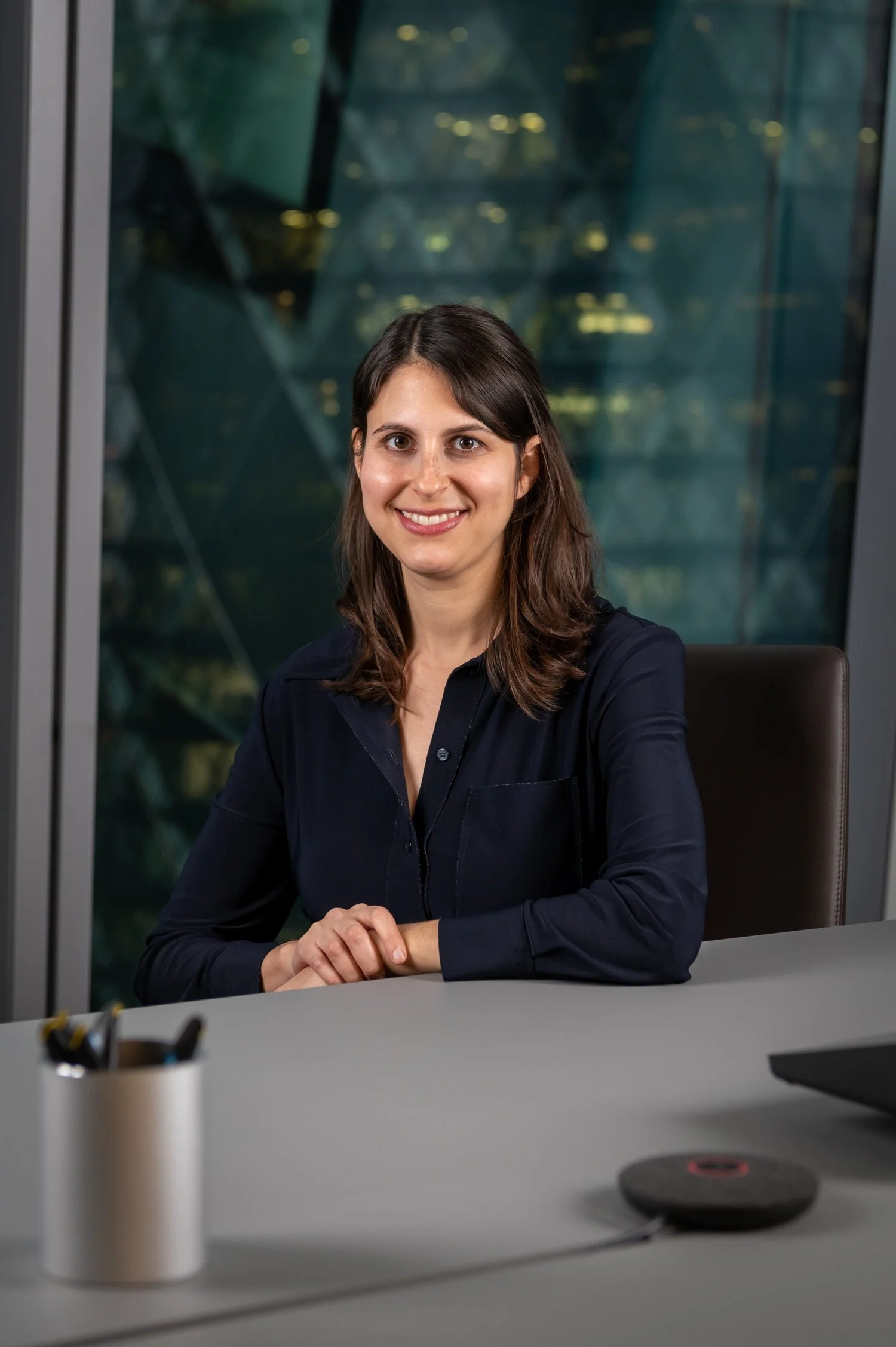
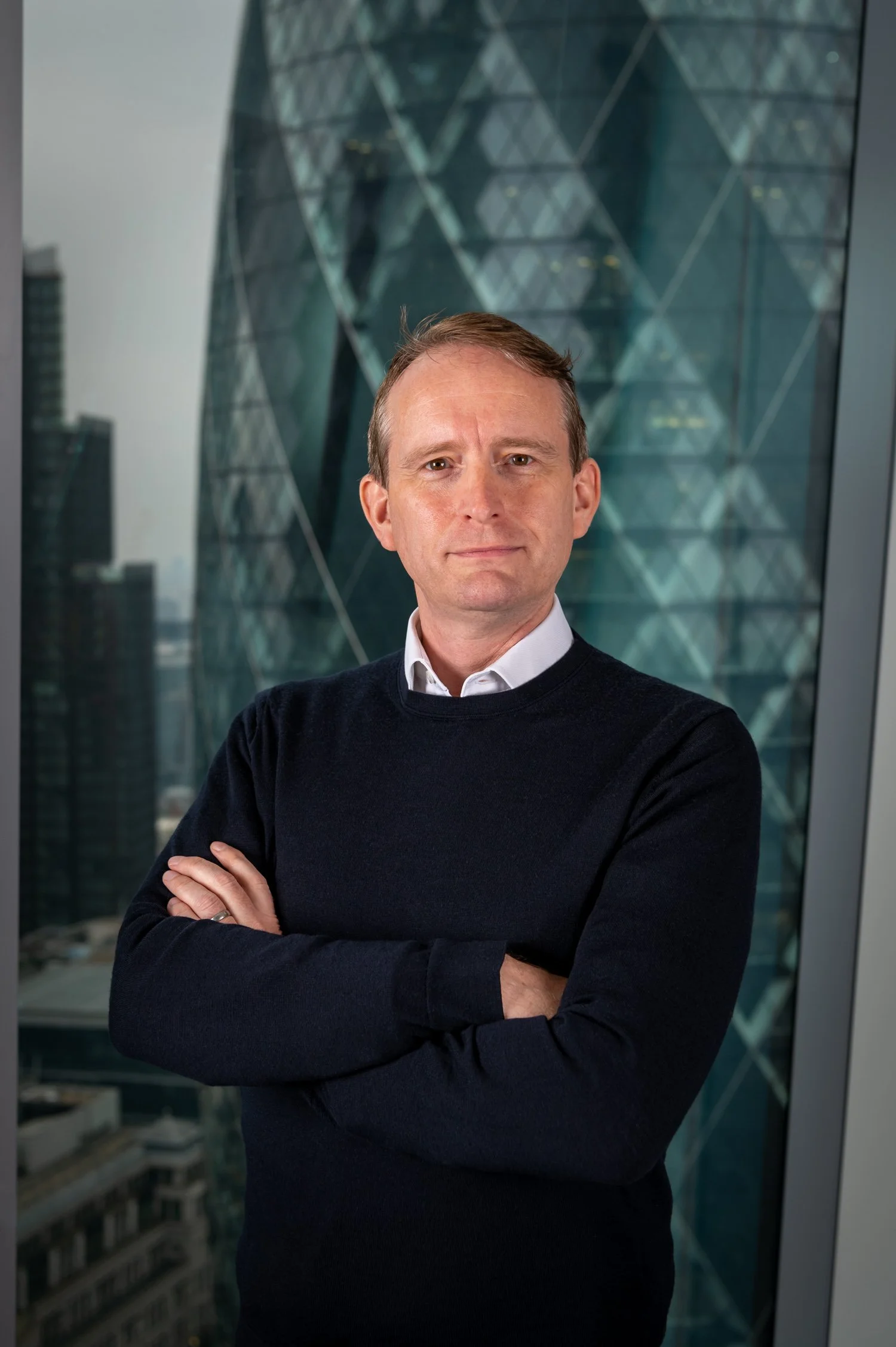
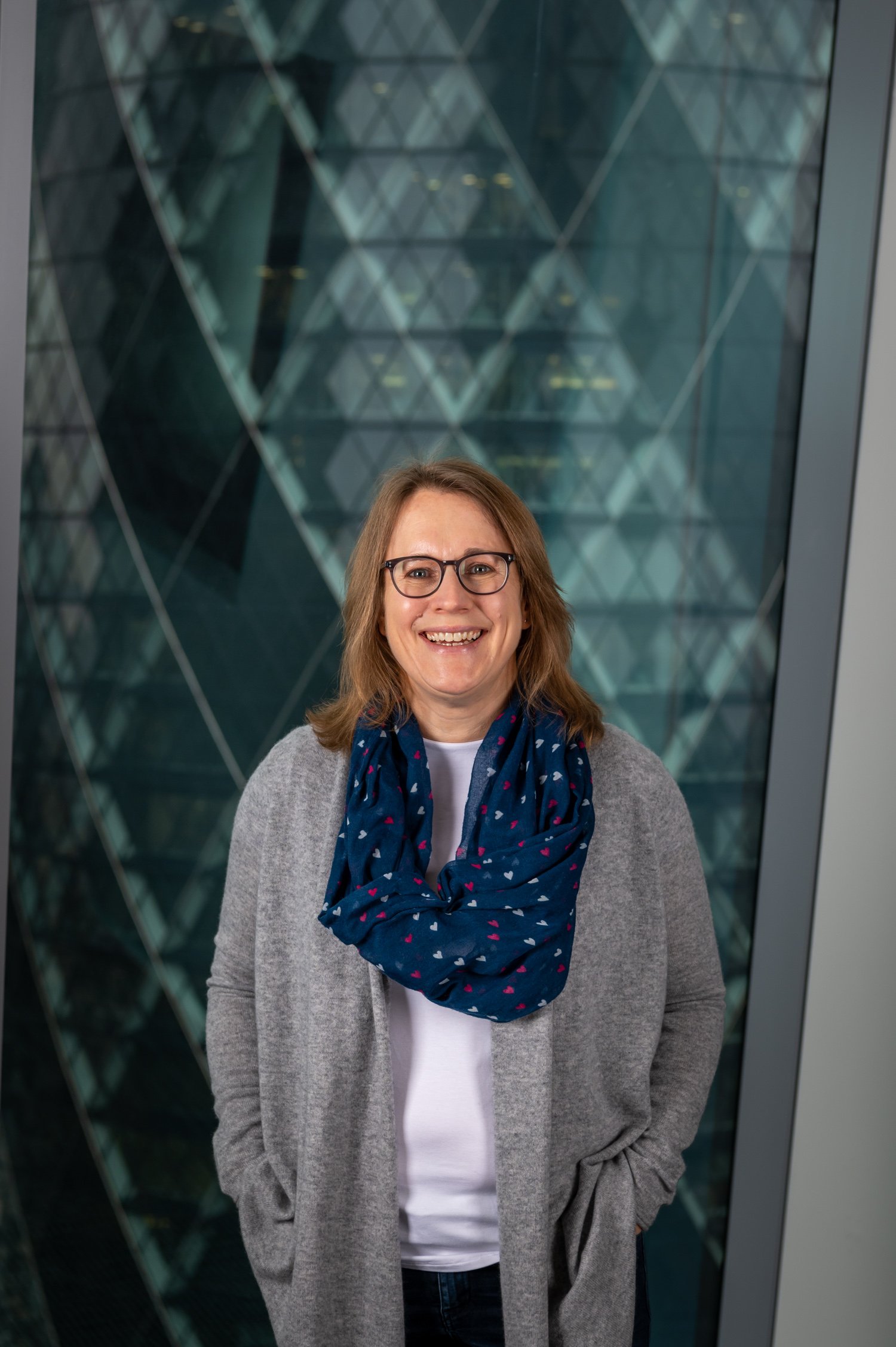
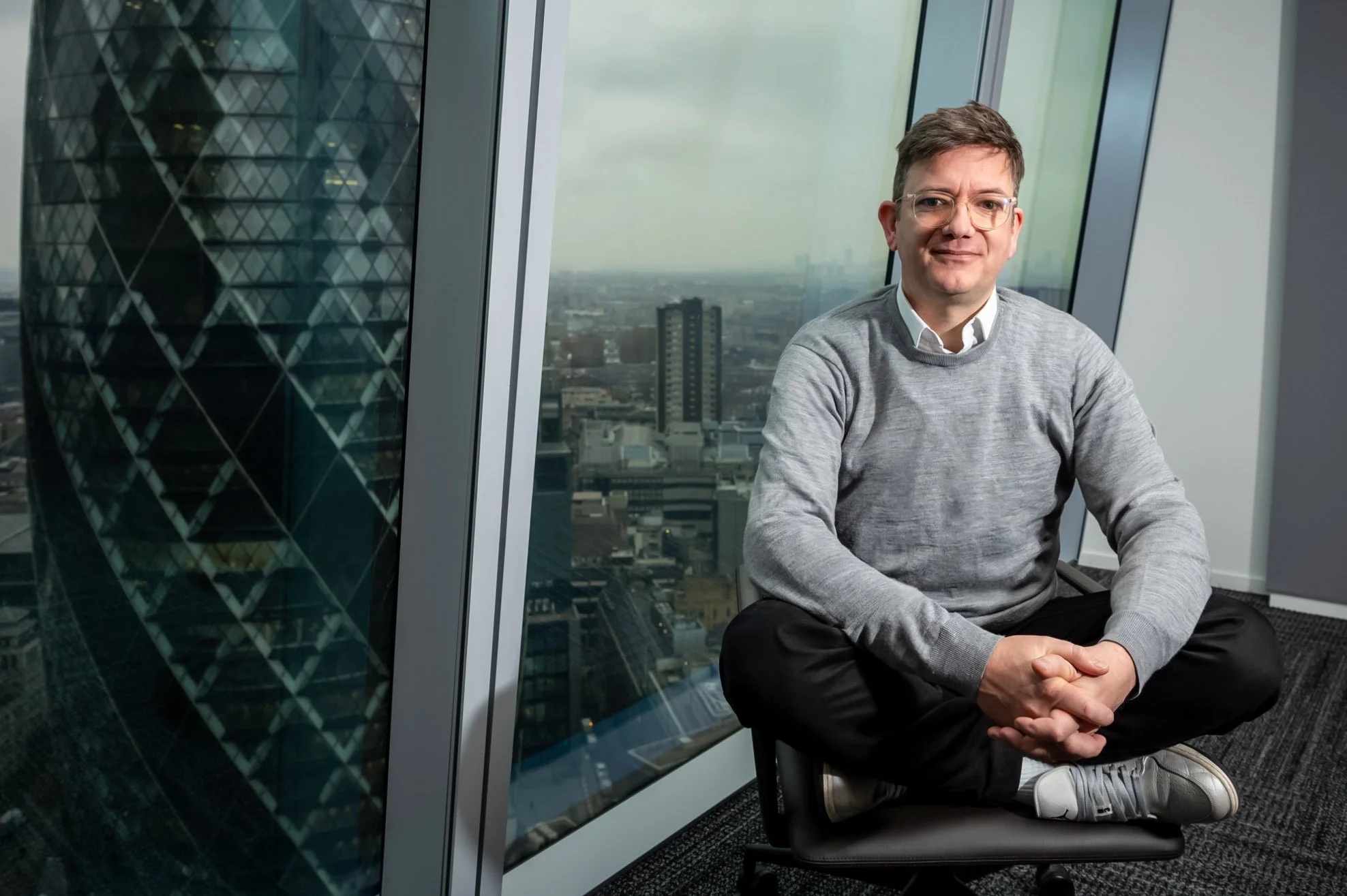
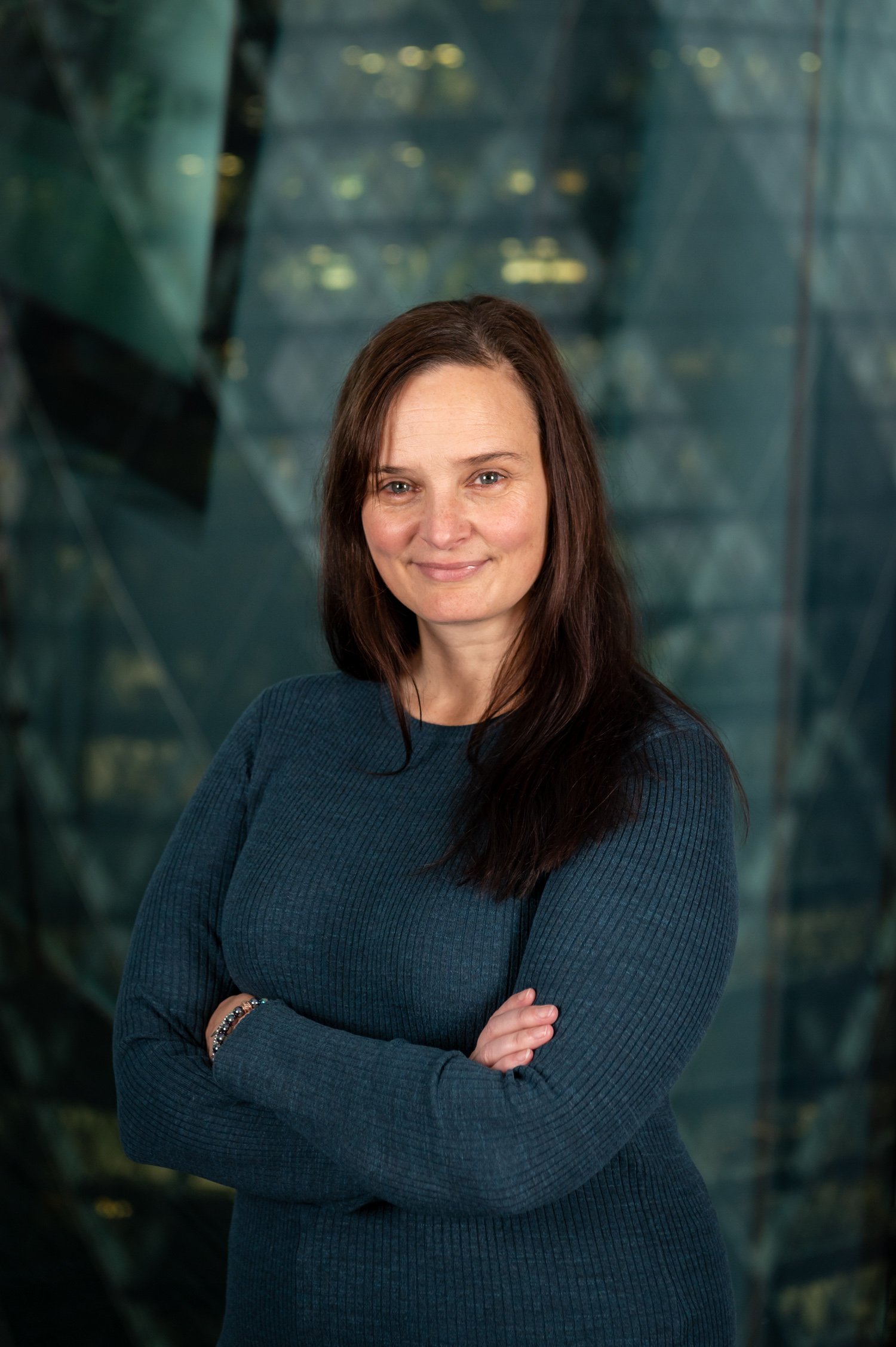
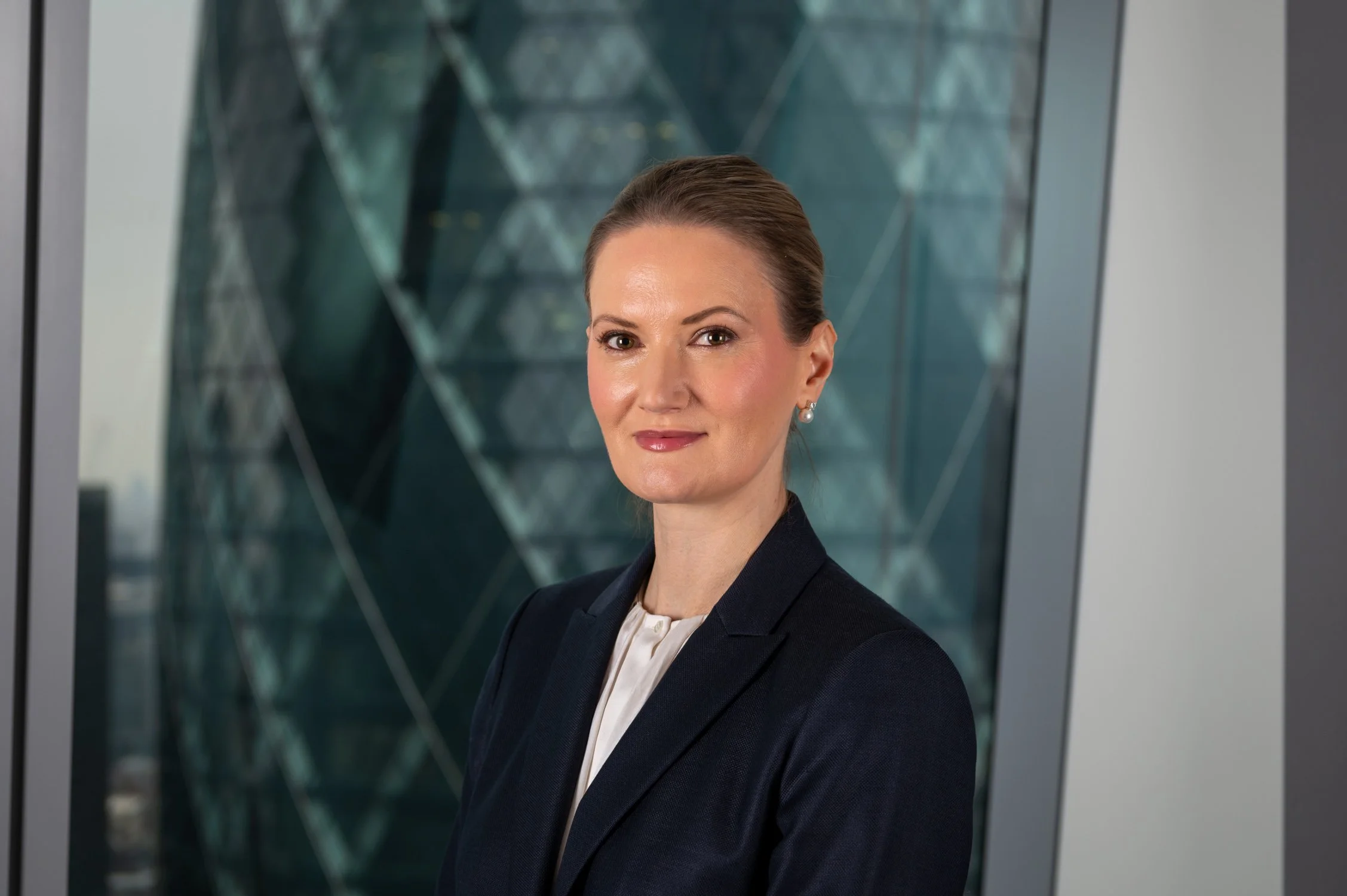
Professional portraits as individual and unique as your workforce. This on-location lookbook demonstrates how we celebrate individual talent and character while maintaining absolute organizational cohesion across your entire enterprise brand footprint.

The 30-Year Editorial Edge
Our ability, and my team's ability, to consistently deliver that level of imagery under these real-world constraints is genuinely unique in this industry. Trust me, the vast majority of commercial photographers simply cannot do what we do; that’s exactly why I carefully handpick every single member of my team. Because I have spent over 30 years as an editorial photographer creating images for national magazines and the news media alongside my corporate work, I don’t live in the comfort zone of a white-walled studio. Every single assignment takes us to a brand new location where we have to think on our feet and get the absolute best out of the space available. When the assignment is right, I step in and take on the project myself.
Embracing the London Atmosphere
Instead of forcing a fake setup to hide an ordinary room, we chose to work with the exact environment we were dealt. It was a very overcast, moody day in November, and truthfully, there wasn't a lot of natural light to play with when we raised those broken blinds. But rather than fighting the weather, we leaned directly into it. We used that flat, directional November light to our advantage, allowing the imposing silhouette of The Gherkin and the atmospheric London streets far below to add a deep, cinematic layer of character to the frames—and by doing this, the image changed from a standard corporate portrait into our signature style of storytelling corporate photography.
The Visual Result
When you look at the final images displayed on this page, you can see the direct result of this approach. They aren't standard, assembly-line corporate headshots where everyone is forced into the exact same rigid pose under identical studio lights. Instead, it’s an interesting, diverse mix of professional portraits.
Every single person has a completely unique image that portrays who they genuinely are. Because no two people are the same, no two photographs should be either. Yet, while every portrait is distinct to the individual, they remain beautifully similar—connected by a shared editorial DNA, high-end composition, and an authentic, natural tone that unifies the entire team without erasing their individuality.
Not All Corporate Photographers Are the Same
Technical adaptability is only half the battle; the real engine behind our signature style is rapid human connection.
The truth is, most people dread being photographed. The real secret to our success is a rare, intuitive ability to instantly relax people, show true empathy, and take a genuine interest in what they do.
By building deep mutual trust in a matter of minutes, my entire team—overseen directly by me—is able to transform a cold, stark glass box or a plain London office into an authentic, commanding corporate portrait that our clients truly love.
Commission Unique Editorial Corporate Photography for Your London Office
Traditional corporate headshots certainly have their place for high-volume administrative consistency and HR onboarding. However, in an AI-dominated world where audiences are flooded with generic, synthetic content, relying solely on standard templates risks letting your firm blend into the background. To truly stand out, your brand needs high-end, editorial-style corporate photography shot directly inside your London headquarters.
We create unique, character-driven office portraits that project absolute market authority while seamlessly protecting your team's billable hours. Our low-impact, on-location productions require zero logistical downtime, transforming everyday corporate spaces into premium, storytelling visual assets that showcase your firm's true expertise.